
The difference of lithium grease NLGI 1/NLGI 2/NLGI 3
author: Jelly
2024-07-03
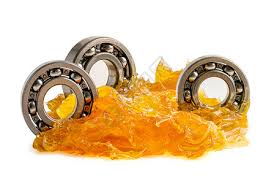
1. NLGI grade:
NLGI grade is a representation of the hardness of the grease and an indicator of the viscosity of the grease. The hardness of NLGI 1 grease is low and is suitable for some bearings and mechanical equipment that require lower viscosity. The hardness of NLGI 2 grease is moderate and is suitable for the lubrication of most mechanical equipment. The hardness of NLGI 3 grease is high and is suitable for mechanical equipment that bears heavy loads and high temperature conditions.
2. Antioxidation performance:
Lithium-based grease needs to have good antioxidation performance during use to ensure long-term and stable lubrication effect. NLGI 1, NLGI 2 and NLGI3 greases have slightly different antioxidant properties. Generally speaking, NLGI 3 grease has better antioxidant properties and can effectively extend the service life of the grease, while No. 1 grease is relatively low.
3. Viscosity:
The viscosity of the grease directly affects its lubrication effect in mechanical equipment. The viscosity of NLGI 1, NLGI 2 and NLGI 3 greases is also different. Generally speaking, the viscosity of NLGI 1 grease is low, the viscosity of NLGI 2 grease is moderate, and the viscosity of NLGI 3 grease is high.
4. Application fields:
Due to the differences in performance between NLGI 1, NLGI 2 and NLGI 3 greases, they have their own applications in different fields.NLGI 1 grease is suitable for some light-load low-temperature environments, such as some small bearings and motors. NLGI 2 grease is widely used in general industrial equipment, such as bearings, gears and transmissions. NLGI 3 grease is mainly used for heavy machinery and equipment under high-load and high-temperature environments, such as equipment in the steel, metallurgy and mining industries.
NLGI grade is a representation of the hardness of the grease and an indicator of the viscosity of the grease. The hardness of NLGI 1 grease is low and is suitable for some bearings and mechanical equipment that require lower viscosity. The hardness of NLGI 2 grease is moderate and is suitable for the lubrication of most mechanical equipment. The hardness of NLGI 3 grease is high and is suitable for mechanical equipment that bears heavy loads and high temperature conditions.
2. Antioxidation performance:
Lithium-based grease needs to have good antioxidation performance during use to ensure long-term and stable lubrication effect. NLGI 1, NLGI 2 and NLGI3 greases have slightly different antioxidant properties. Generally speaking, NLGI 3 grease has better antioxidant properties and can effectively extend the service life of the grease, while No. 1 grease is relatively low.
3. Viscosity:
The viscosity of the grease directly affects its lubrication effect in mechanical equipment. The viscosity of NLGI 1, NLGI 2 and NLGI 3 greases is also different. Generally speaking, the viscosity of NLGI 1 grease is low, the viscosity of NLGI 2 grease is moderate, and the viscosity of NLGI 3 grease is high.
4. Application fields:
Due to the differences in performance between NLGI 1, NLGI 2 and NLGI 3 greases, they have their own applications in different fields.NLGI 1 grease is suitable for some light-load low-temperature environments, such as some small bearings and motors. NLGI 2 grease is widely used in general industrial equipment, such as bearings, gears and transmissions. NLGI 3 grease is mainly used for heavy machinery and equipment under high-load and high-temperature environments, such as equipment in the steel, metallurgy and mining industries.
What is the hydrolytic stability of lubricating oil?
The working principle of industrial grease


