
Industrial lubricant product classification and functions
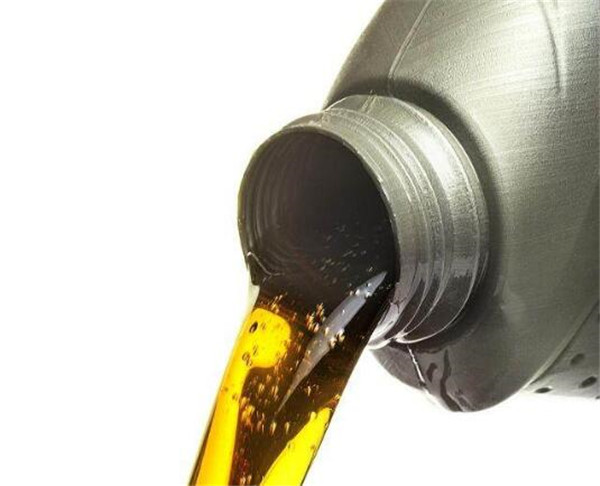
Industrial lubricants have a wide range of applications, and there are many types of base oils, such as pure mineral oil, PAO polyɑolefin synthetic oil, polyether synthetic oil, alkylbenzene oil, and biodegradable lipid oil. When they become certain industrial lubricants, they cannot be mixed with each other. For example, after polyether synthetic oil is mixed with other industrial oils, its performance will be significantly reduced.
Industrial lubricants have different additives in different applications. Hydraulic oil used outdoors must be suitable for local temperature changes, and hydraulic oil used in indoor closed environments cannot be used. In addition, the usage conditions of heavy-duty gear oil and molding oil are also different. Heavy-duty gear oil contains extreme pressure additives to ensure that it can be used in harsh environments. Molding oil is usually pure mineral oil without additives.
Industrial lubricant product classification
Industrial lubricants mainly include hydraulic oil, gear oil, turbine oil, compressor oil, refrigeration oil, transformer oil, vacuum pump oil, bearing oil, metal processing oil (liquid), anti-rust grease, cylinder oil, heat treatment oil and heat transfer oil, etc. . In addition, there are also greases with lubricating oil as base oil and thickener added.
Users of industrial lubricants are companies from all walks of life. Generally, there are many varieties and large quantities used, which not only depends on the price of the product, but also depends on the quality and technical characteristics of the product, and also depends on the quality of technical services.
The role of industrial lubricants in various industries
Lubricating oil is a liquid lubricant used on various types of machinery to reduce friction and protect machinery and processing. It mainly plays the functions of lubrication, cooling, rust prevention, cleaning, sealing and buffering. Lubricating oil accounts for 85% of all lubricating materials, and there are many types and brands.
The general requirements for lubricating oil are:
Reduce friction and anti-wear, reduce friction resistance to save energy, reduce wear to extend mechanical life and improve economic benefits;
Cooling requires the friction heat to be discharged out of the machine at any time;
Sealing requires preventing leakage, dust, and gas leakage;
Anti-corrosion and anti-rust, it is required to protect the friction surface from oil deterioration or external erosion;
Clean flushing requires cleaning and removing scale from the friction area;
Stress dispersion buffering, load dispersion and impact buffering and shock absorption;
Kinetic energy transmission, hydraulic system and remote control motor and friction stepless transmission, etc.
Industrial lubricants are liquid lubricants used on various types of machinery to reduce friction and protect machinery and processing. They mainly serve the functions of lubrication, cooling, rust prevention, cleaning, sealing and buffering. In most cases, industrial lubricants provide both lubrication and cooling, acting as a lubricant by reducing friction between the tool and workpiece. For industrial lubricants used in various occasions, chemical stability, thermal stability, friction reduction and load resistance (including extreme pressure lubricants) are the most common requirements. Lubricating oil accounts for 85% of all lubricating materials, and there are many types and brands. The annual consumption in the world is now about 40 million tons.
The functions and uses of industrial lubricants are:
1. Industrial lubricants have the function of reducing friction and anti-wear: reducing frictional resistance to save energy, reducing wear to extend mechanical life and improving economic benefits;
2. Industrial lubricating oil has a cleaning and flushing effect: it is required to clean and remove scale from the friction area;
3. Industrial lubricating oil has the function of resisting corrosion and rust: it is required to protect the friction surface from oil deterioration or external erosion;
4. Industrial lubricants have the function of transmitting kinetic energy: hydraulic systems, remote control motors and friction stepless transmission, etc.
5. Industrial lubricating oil has the function of stress dispersion and buffering: dispersing load and buffering impact and shock absorption;
6. Industrial lubricants have a sealing function: they are required to prevent leakage, dust, and gas leakage;
7. Industrial lubricating oil has a mechanical cooling effect.
The Semi Fluid Grease' s Advantages Compared with the Traditional Grease
Unveiling the Lubricant Used by the Yutu Lunar Exploration Device


