
The Semi Fluid Grease' s Advantages Compared with the Traditional Grease
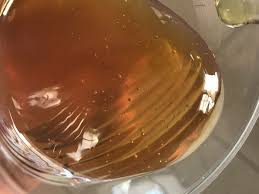
Semi-fluid greases and traditional greases differ in many aspects:
Ingredients:
- Traditional greases usually have a higher proportion of thickeners, making them thicker.
- Semi-fluid greases have a relatively low proportion of thickeners and a higher base oil content.
Performance characteristics:
- Traditional greases have a higher viscosity, strong adhesion, are not easy to lose, and can remain in the lubrication area for a longer time.
- Semi-fluid greases have better fluidity and permeability, and can fill complex lubrication spaces faster.
Applicable scenarios:
- Traditional greases are suitable for medium and low speeds, medium and heavy loads, and normal to medium temperatures, such as general rolling bearings, sliding bearings, etc.
- Semi-fluid greases are more suitable for some parts that are difficult to seal and require good fluidity for comprehensive lubrication, such as some parts of the gearbox, open chains, etc., as well as some occasions with high heat dissipation requirements.
Filling method:
- Traditional greases are generally filled by hand or with a grease gun.
- Semi-fluid grease can be added by pumping or gravity.
Maintenance:
- Traditional grease is relatively difficult to clean when it is replaced.
- Semi-fluid grease is relatively easy to clean when it is replaced due to its good fluidity.
In short, when choosing to use semi-fluid grease or traditional grease, it should be considered comprehensively based on factors such as specific equipment operating conditions, lubrication requirements and maintenance requirements.
Remember to change the oil when the season changes and clean the air filter regularly
Industrial lubricant product classification and functions


