
How to Solve the Problem of Poor Heat Dissipation Performance of Grease
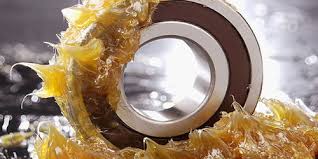
To solve the problem of poor heat dissipation performance of grease, the following methods can be considered:
Optimize the grease formula: Select base oil and additives with good thermal stability and thermal conductivity to improve the heat dissipation capacity of the grease itself.
Improve the design of the lubrication system: For example, add heat dissipation devices, such as heat sinks, fans, etc., to help take away heat.
Reasonably control the working temperature: Ensure that the equipment operates within the appropriate temperature range and avoid being in a high temperature state for a long time.
Strengthen the ventilation and cooling of the equipment: Improve the air circulation around the equipment to improve the overall cooling effect.
Choose the right grease consistency: For parts with higher heat dissipation requirements, a thinner grease can be selected, but its sealing and load-bearing capacity must also be taken into account.
Regular maintenance and replacement: Clean the old grease and impurities in the equipment in time to ensure the performance of the grease and prevent further deterioration of the heat dissipation performance due to aging or contamination.
Monitor temperature: Install temperature sensors to monitor the temperature of key parts of the equipment in real time so that overheating problems can be discovered in time and measures can be taken.
Optimize equipment structure: By improving the design of the equipment, frictional heat generation can be reduced, thereby reducing the need for heat dissipation.
Which environmentally friendly marine lubricant is the best?
Is lubricating oil a hazardous chemical?


