
Metalworking fluid foaming solution and the application of defoamer
author: Ann
2024-08-13
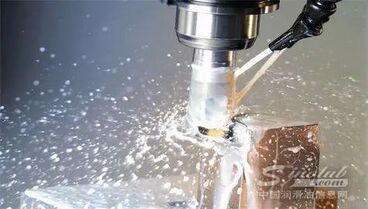
Machining fluids are mainly metal processing liquids, mainly lubrication and cooling effect, and rust cleaning and other functions. General machining fluid including cutting fluid, cutting oil, emulsion, stamping oil, quenching agent, high temperature oil, extreme pressure cutting fluid, grinding fluid, anti-rust oil, cleaning agent, blackening agent, deep drawing oil and so on. The disadvantage of machining fluid is that it is easy to produce a large number of foam in use, which will directly affect the lubrication and cooling effect.
Metal cutting fluid can reduce the cutting force and the friction between the tool, take away the wear of the tool in the cutting process in time, improve the durability of the tool; improve the surface roughness of the workpiece to ensure the accuracy of workpiece processing. The use of cutting fluid with excellent performance can not only improve the efficiency of workpiece processing, but also obtain good processing quality and economic benefits.
Chemical synthetic cutting fluid is a new type of water-based cutting fluid, which is compounded by a variety of additives table live, but if the liquid level is too low, the flow rate of the cutting fluid is too fast, the air bubbles do not have time to escape, the more they accumulate, too many right angles in the design of the sink, or the nozzle angle of the cutting fluid is too straight leading to a large number of bubbles generated.
Semi-synthetic cutting fluid, also known as emulsified cutting fluid, its concentrate consists of a small amount of mineral oil (content of 5%-30%), oleaginous agents, extreme pressure agents, rust inhibitors, surfactants and anticorrosive agents, the flow rate of the cutting fluid is too fast, the bubbles do not have time to escape, the more it accumulates, resulting in a large number of foam generation.
Metal cutting fluid in the actual application of a large number of foam generated, resulting in the loss of cutting fluid, and bring unnecessary impact on production. Therefore, a certain amount of defoamer needs to be added to the metal cutting fluid to control the foam at a normal level.
The use of defoamer in machining fluid is divided into 2 steps, the first is added in the middle of machining fluid synthesis, which can inhibit foam generation. The second is added at the later stage of reflection to better utilize the antifoaming effect.
Metal cutting fluid can reduce the cutting force and the friction between the tool, take away the wear of the tool in the cutting process in time, improve the durability of the tool; improve the surface roughness of the workpiece to ensure the accuracy of workpiece processing. The use of cutting fluid with excellent performance can not only improve the efficiency of workpiece processing, but also obtain good processing quality and economic benefits.
Chemical synthetic cutting fluid is a new type of water-based cutting fluid, which is compounded by a variety of additives table live, but if the liquid level is too low, the flow rate of the cutting fluid is too fast, the air bubbles do not have time to escape, the more they accumulate, too many right angles in the design of the sink, or the nozzle angle of the cutting fluid is too straight leading to a large number of bubbles generated.
Semi-synthetic cutting fluid, also known as emulsified cutting fluid, its concentrate consists of a small amount of mineral oil (content of 5%-30%), oleaginous agents, extreme pressure agents, rust inhibitors, surfactants and anticorrosive agents, the flow rate of the cutting fluid is too fast, the bubbles do not have time to escape, the more it accumulates, resulting in a large number of foam generation.
Metal cutting fluid in the actual application of a large number of foam generated, resulting in the loss of cutting fluid, and bring unnecessary impact on production. Therefore, a certain amount of defoamer needs to be added to the metal cutting fluid to control the foam at a normal level.
The use of defoamer in machining fluid is divided into 2 steps, the first is added in the middle of machining fluid synthesis, which can inhibit foam generation. The second is added at the later stage of reflection to better utilize the antifoaming effect.
Some performance indicators and parameters of industrial lubricants
Uses and classifications of industrial lubricants


