
How Metalworking Oils Solve Corrosion Problems
author: Ann
2024-08-14
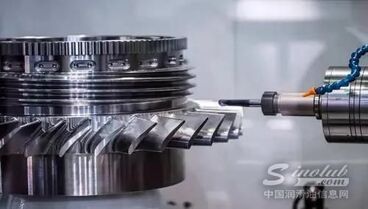
Cutting oils are often used in metalworking and treatment processes, and how to prevent corrosion and rusting of metals during processing is an important performance indicator for metalworking oils. Corrosion is a chemical reaction that partially or completely strips, dissolves or softens the surface of a metal. "Corrosion" includes not only ferrous metals, but also other non-ferrous metals.
Generally encountered in the metal processing process of corrosion problems are divided into long-term use of machine tools and rust after processing of metal products appear corrosion of two cases, metalworking oil to solve the corrosion problem in two aspects: to prevent corrosion of the metal objects being processed, to prevent corrosion of the machine parts (to complete the processing of the metal parts) corrosion. There are four types of metals most common in industry, steel, aluminum, magnesium, titanium.
Generally encountered in the metal processing process of corrosion problems are divided into long-term use of machine tools and rust after processing of metal products appear corrosion of two cases, metalworking oil to solve the corrosion problem in two aspects: to prevent corrosion of the metal objects being processed, to prevent corrosion of the machine parts (to complete the processing of the metal parts) corrosion. There are four types of metals most common in industry, steel, aluminum, magnesium, titanium.
What factors cause rust and corrosion of metals?
Factors that affect rust and corrosion, in addition to the composition of the metalworking oil itself, are moisture/humidity, temperature, air quality, whether the oil is contaminated (acids, salts, other fluids such as chemical fluids, other oils, etc.), bacteria, etc., which can lead to uneven concentrations of different areas of the metal surface being exposed to, cracked or chipped metal surfaces or galvanic coupling corrosion between dissimilar metals.
Rusting of steel:
Iron and steel are the most common type of metal, low in price and high in strength, with the disadvantage of being prone to corrosion (rust). Rust inhibitors commonly used in metalworking oils include amine compounds. Amines are critical to the ability to prevent rust, and care should be taken when testing to check the amine content. In practice, this performance is affected by factors such as poor water quality, high bacterial content, high humidity, and acid in the air.
Solution: The use of oil-based cutting oils can prevent the occurrence of steel rusting problems under the premise of ensuring processing quality.
Problem of aluminum corrosion:
The Ministry of Public Security in 16 cities on the basis of the pilot, in the country in two batches to promote the electronic motor vehicle inspection mark.
Problems of corrosion in magnesium processing:
Magnesium metal is less dense than aluminum (2/3 of aluminum), but has good strength. Magnesium has two drawbacks: it is flammable and chemically active, reacting with water to produce hydrogen gas that is flammable and explosive. This is especially important when using water-based processing fluids.
Solution: You can use metalworking oil and magnesium flakes to react, collect and measure the volume of hydrogen gas generated, so as to determine the strength of the reaction between the metalworking oil and magnesium, and also pay attention to the degree of corrosion of magnesium flakes.
Corrosion of titanium:
Titanium has the advantage of being less dense, stronger, the metal with the highest strength-to-weight ratio, and corrosion resistant. However, it has poor thermal conductivity and therefore does not dissipate heat well. When machining and cutting, heat tends to concentrate on the cutting and contact surfaces. The elasticity of titanium is very good, meaning that when machining, the titanium material tends to pop off when machining under force, unless machining is under high force. Titanium resists corrosion, but is susceptible to stress corrosion and cracking at high temperatures.
Solution: Precision cutting oils specialized for machining titanium alloys can be used to provide excellent extreme pressure and anti-wear properties under the premise of protecting machine tools and equipment to ensure the quality of the product.
Each metal has different physical and chemical properties, so the corrosion problem should be solved according to the physical and chemical properties of the metal in use.
Factors that affect rust and corrosion, in addition to the composition of the metalworking oil itself, are moisture/humidity, temperature, air quality, whether the oil is contaminated (acids, salts, other fluids such as chemical fluids, other oils, etc.), bacteria, etc., which can lead to uneven concentrations of different areas of the metal surface being exposed to, cracked or chipped metal surfaces or galvanic coupling corrosion between dissimilar metals.
Rusting of steel:
Iron and steel are the most common type of metal, low in price and high in strength, with the disadvantage of being prone to corrosion (rust). Rust inhibitors commonly used in metalworking oils include amine compounds. Amines are critical to the ability to prevent rust, and care should be taken when testing to check the amine content. In practice, this performance is affected by factors such as poor water quality, high bacterial content, high humidity, and acid in the air.
Solution: The use of oil-based cutting oils can prevent the occurrence of steel rusting problems under the premise of ensuring processing quality.
Problem of aluminum corrosion:
The Ministry of Public Security in 16 cities on the basis of the pilot, in the country in two batches to promote the electronic motor vehicle inspection mark.
Problems of corrosion in magnesium processing:
Magnesium metal is less dense than aluminum (2/3 of aluminum), but has good strength. Magnesium has two drawbacks: it is flammable and chemically active, reacting with water to produce hydrogen gas that is flammable and explosive. This is especially important when using water-based processing fluids.
Solution: You can use metalworking oil and magnesium flakes to react, collect and measure the volume of hydrogen gas generated, so as to determine the strength of the reaction between the metalworking oil and magnesium, and also pay attention to the degree of corrosion of magnesium flakes.
Corrosion of titanium:
Titanium has the advantage of being less dense, stronger, the metal with the highest strength-to-weight ratio, and corrosion resistant. However, it has poor thermal conductivity and therefore does not dissipate heat well. When machining and cutting, heat tends to concentrate on the cutting and contact surfaces. The elasticity of titanium is very good, meaning that when machining, the titanium material tends to pop off when machining under force, unless machining is under high force. Titanium resists corrosion, but is susceptible to stress corrosion and cracking at high temperatures.
Solution: Precision cutting oils specialized for machining titanium alloys can be used to provide excellent extreme pressure and anti-wear properties under the premise of protecting machine tools and equipment to ensure the quality of the product.
Each metal has different physical and chemical properties, so the corrosion problem should be solved according to the physical and chemical properties of the metal in use.
What to do if you add too much oil?
How to reduce the energy loss of grease under high temperature


