
Can food-grade lubricants really be eaten?
author: Leila
2024-08-15
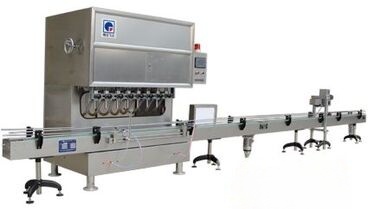
Food-grade lubricants refer to lubricants that meet food-grade standards and can be used for lubrication of machinery in the food, medicine, beverage, cosmetics and other industries. When producing food, medicine, cosmetics and other products, machinery also needs lubrication, and also faces strict requirements for hygiene and food safety. Therefore, the requirements for lubricants are very strict. Not only must they meet the lubrication requirements of machinery, but they must not affect food safety.
Internationally, food-grade lubricants generally refer to US standards. NSF is a more popular international certification agency for food-grade lubricants. NSF divides food-grade lubricants into 4 categories:
H-1, H-2, H-3 and P-1, of which H-1 is truly food-grade:
H-1 lubricants: true food-grade lubricants, applicable occasions: lubrication of equipment parts that may have direct contact with food, so this type of lubricant can have accidental direct contact with food.
H-2 lubricants: usually contain non-toxic ingredients, applicable occasions: lubricants or lubricated machine parts will not have the possibility of contacting food.
From the perspective of the standards for food-grade lubricants, it only says that lubricants are allowed to come into contact with food accidentally, but it does not mention "edible". Therefore, food-grade lubricants are safer than ordinary lubricants in terms of food safety. Although contact with food will not contaminate the food, it is not food after all, so it is best not to eat it.
Lubrication oil use instructions
Management of industrial lubricants


