
The Advantages of Synthetic Lubricant
author: Ann
2024-08-16
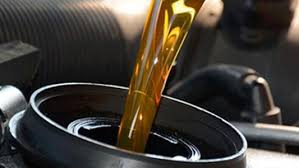
Base oils in motor oils are customarily categorized into mineral oils and synthetic oils. In countries where automobile consumption is very mature, the consumption of synthetic oils accounts for a large proportion of the overall lubricant sales, but still occupies a very small market share in China. Many car owners do not understand the difference between mineral oil and synthetic oil. In fact, synthetic lubricants have more advantages than mineral oil.
Synthetic lubricants have a high viscosity index. Synthetic oils can be used in a wide range of operating temperatures during normal use. Whether it's the cold of a northern winter or the heat of a southern summer, synthetic oils can handle it with ease. As synthetic oils have better shear stability, this allows the oils to maintain viscosity levels at high temperatures and high engine speeds, even under harsh operating conditions, providing strong, thick oil film protection to maintain lubrication to the engine, greatly reducing friction and lowering wear. In addition, synthetic oils can also achieve better fluidity at low temperatures, reducing engine wear.
Synthetic oil production technology ensures that the oil has excellent thermo-oxidative stability, which greatly reduces the generation of sludge, carbon and other hazardous substances, allowing the engine to maintain maximum cleanliness. In addition, the superior oxidation resistance and high temperature stability of synthetic oils allow for much longer drain intervals than mineral oils, which also reduces waste oil emissions. Due to the low evaporation losses of synthetic oils, oil consumption is significantly reduced, resulting in fewer hydrocarbon emissions.
Synthetic lubricants have a high viscosity index. Synthetic oils can be used in a wide range of operating temperatures during normal use. Whether it's the cold of a northern winter or the heat of a southern summer, synthetic oils can handle it with ease. As synthetic oils have better shear stability, this allows the oils to maintain viscosity levels at high temperatures and high engine speeds, even under harsh operating conditions, providing strong, thick oil film protection to maintain lubrication to the engine, greatly reducing friction and lowering wear. In addition, synthetic oils can also achieve better fluidity at low temperatures, reducing engine wear.
Synthetic oil production technology ensures that the oil has excellent thermo-oxidative stability, which greatly reduces the generation of sludge, carbon and other hazardous substances, allowing the engine to maintain maximum cleanliness. In addition, the superior oxidation resistance and high temperature stability of synthetic oils allow for much longer drain intervals than mineral oils, which also reduces waste oil emissions. Due to the low evaporation losses of synthetic oils, oil consumption is significantly reduced, resulting in fewer hydrocarbon emissions.
How much fuel should be added to a car?
Product knowledge of industrial lubricants


