
Selection of industrial lubricant grease and anti-wear hydraulic oils
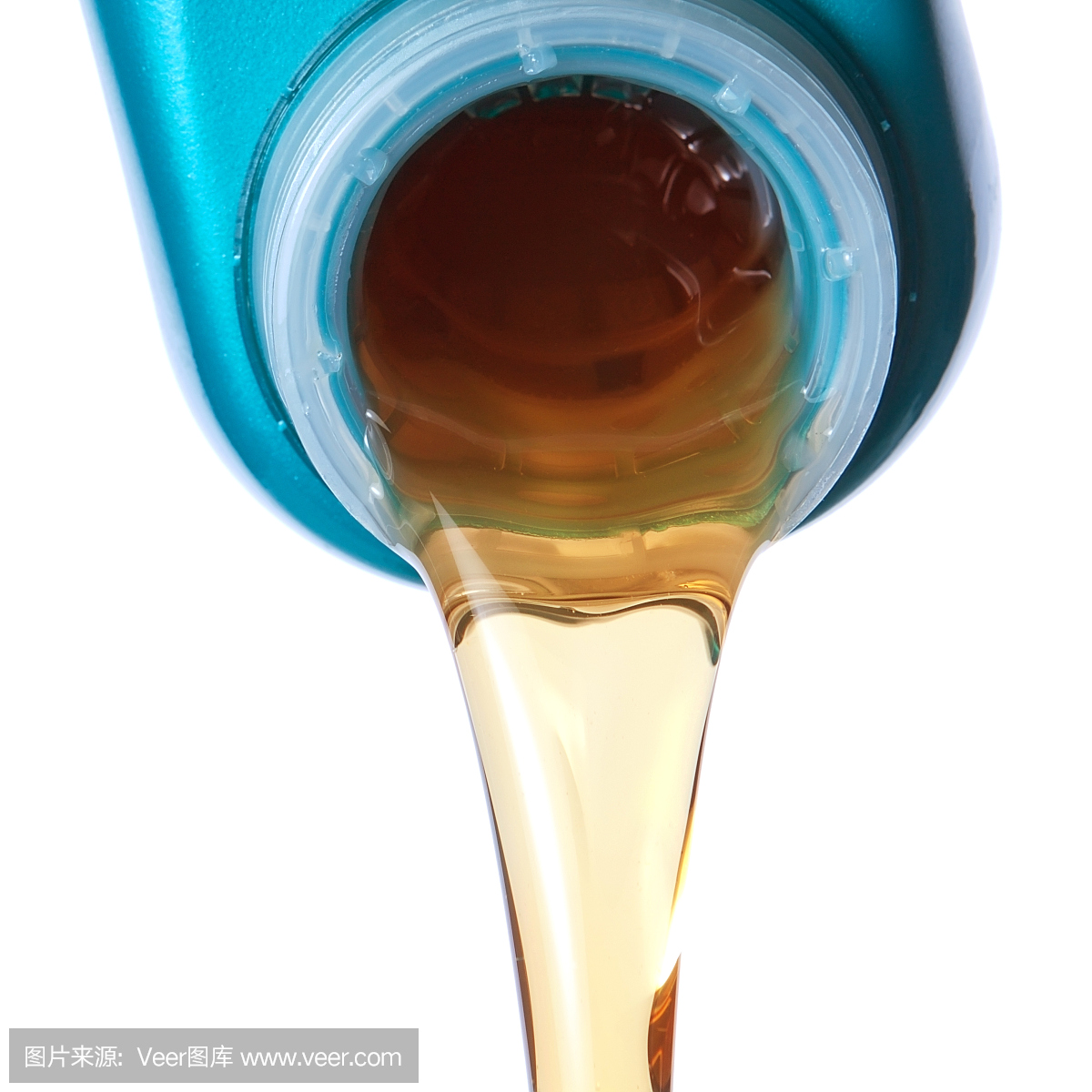
The vast majority of greases are used for lubrication and are called anti-friction greases. Antifriction grease mainly plays the role of reducing mechanical friction and preventing mechanical wear. At the same time, it also plays a protective role in preventing metal corrosion and sealing and dustproof.
The main functions of grease are lubrication, protection and sealing.
The vast majority of greases are used for lubrication and are called anti-friction greases. Antifriction grease mainly plays the role of reducing mechanical friction and preventing mechanical wear. At the same time, it also plays a protective role in preventing metal corrosion and sealing and dustproof. There are some greases that are primarily used to prevent metal from rusting or corroding, called protective greases. For example, there are a few greases such as industrial Vaseline that are specially used for sealing, called sealing greases, such as thread grease. Grease is mostly a semi-solid substance with unique fluidity.
The working principle of grease is that the thickener keeps the oil where it needs to be lubricated. When there is a load, the thickener releases the oil, thus providing lubrication.
At room temperature and in a static state, it is like a solid, able to maintain its shape without flowing, and can adhere to metal without slipping. At high temperatures or when subjected to external forces exceeding a certain limit, it can flow like a liquid. When grease is sheared by moving parts in machinery, it can flow and lubricate, reducing friction and wear between moving surfaces. When the shearing action stops, it can return to a certain consistency. The special fluidity of grease determines that it can be lubricated in parts that are not suitable for lubricating oil. In addition, because it is a semi-solid substance, its sealing and protective effects are better than lubricating oil.
Industrial lubricating oil and anti-wear hydraulic oil are liquid lubricants used in various types of industrial machinery and equipment to reduce friction and protect machinery and workpieces. They mainly play the roles of lubrication, cooling, rust prevention, cleaning, sealing and buffering. Lubricating oil accounts for 85% of all lubricating materials, and there are many types and brands. The annual consumption in the world now exceeds 38 million tons.
The general requirements for lubricating oil are:
1. Reduce friction and anti-wear, reduce friction resistance to save energy, reduce wear to extend mechanical life and improve economic benefits;
2. Cooling requires the friction heat to be discharged out of the machine at any time;
3. Sealing, required to prevent leakage, dust, and gas channeling;
4. Anti-corrosion and anti-rust, it is required to protect the friction surface from oil deterioration or external erosion;
5. Clean and rinse, which requires cleaning and removing scale from the friction area;
6. Stress dispersion buffering, load dispersion and impact mitigation and shock absorption;
7. Kinetic energy transmission, hydraulic system, remote control motor and friction stepless transmission, etc.
How to Accurately Distinguish the Hardness of Grease
Choice of chain lubrication method


