
Three new trends in equipment lubrication and maintenance
author: Leila
2024-08-26
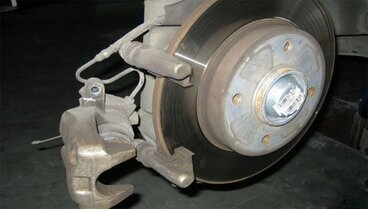
From the industrial revolution triggered by steam engines to today, the development of industrial technology has driven the progress of lubricant technology, and not only the performance of lubricants, but also the use of lubricants and the tools and technologies for lubrication maintenance have achieved rapid development.
From the perspective of industrial development in recent years, there are several trends in equipment lubrication and maintenance that deserve our attention:
1. Trends in user selection of lubricants:
Viscosity: Users are more standardized when selecting lubricants and pay attention to the correct viscosity. Because viscosity is the most important property of lubricants, suitable viscosity is a prerequisite for good lubrication and anti-wear. In addition, it also affects energy consumption and tolerance to pollutants. When choosing viscosity, users not only pay attention to the correct ISO viscosity grade, but also pay attention to the viscosity index (VI). The phenomenon that oil can be lubricated, a random estimate of viscosity, or even no attention to viscosity is gradually decreasing.
Viscosity: Users are more standardized when selecting lubricants and pay attention to the correct viscosity. Because viscosity is the most important property of lubricants, suitable viscosity is a prerequisite for good lubrication and anti-wear. In addition, it also affects energy consumption and tolerance to pollutants. When choosing viscosity, users not only pay attention to the correct ISO viscosity grade, but also pay attention to the viscosity index (VI). The phenomenon that oil can be lubricated, a random estimate of viscosity, or even no attention to viscosity is gradually decreasing.
In addition to viscosity, pay attention to other properties: In addition to the correct viscosity grade, users also pay attention to other properties of oil products. In order to meet the various requirements of equipment operation, a variety of additives are used in current oil products. Users begin to look for oil products that can meet the requirements as a whole based on the conditions of equipment use. At present, the more common performance requirements are clean dispersibility (mainly engine oil), anti-foaming, anti-emulsification (oil-water separation), anti-rust and anti-corrosion, oxidation stability, viscosity-temperature (viscosity index), good lubricity, anti-wear, extreme pressure performance, longer oil change cycle, energy saving, etc.
More rational use of synthetic oil: The sales volume of synthetic oil is increasing, and in contrast, users are more rational in choosing synthetic oil. Although synthetic oil has some advantages, it is not a panacea for all diseases. Some synthetic oils have special properties and are suitable for some specific occasions, but they also have certain disadvantages. Users are more rational in choosing synthetic oil.
Only by systematically analyzing the conditions of use and choosing the right oil can accurate lubrication be achieved.
Environmentally friendly and energy-saving lubricants: In the past 10 years, the environmental protection and energy-saving performance of lubricants have received attention. Although initial development has been achieved, the development of environmentally friendly and energy-saving lubricants is just the beginning. Judging from the trend in recent years, users have begun to pay attention to the energy saving of oil products, and environmental protection is also a trend in the future.
Replace grease with oil: For key equipment or important components, lubricants are used instead of grease. Although lubricating oil and grease have their own advantages and disadvantages, for many critical occasions, oil is still preferred for lubrication.
No longer simply pursuing low-priced oil: Users gradually realize that they cannot save money on lubricating oil. In order to avoid the expenses caused by equipment failure and maintenance, protect the long-term benefits of equipment, and with the improvement of the education level of equipment maintenance personnel, users begin to pay attention to the quality of oil products. The idea of only buying cheap oil is outdated. Users gradually realize the importance of lubricating oil to equipment and production. The result of pursuing low-priced oil regardless of quality often makes users spend more money.
2. Pay attention to pollution control:
Impurities in lubricating oil often come from the upper space, such as poor sealing of the oil drum cover, water accumulation on the oil drum cover, poor sealing of the oil tank, no dust and pollution prevention measures, vents, etc., which will cause dust and moisture to enter the lubricating oil. In recent years, users have begun to pay attention to pollution control and use some special accessories and tools to prevent lubricating oil from being contaminated.
Impurities in lubricating oil often come from the upper space, such as poor sealing of the oil drum cover, water accumulation on the oil drum cover, poor sealing of the oil tank, no dust and pollution prevention measures, vents, etc., which will cause dust and moisture to enter the lubricating oil. In recent years, users have begun to pay attention to pollution control and use some special accessories and tools to prevent lubricating oil from being contaminated.
Portable oil filter equipment: The oil filter cart is a portable oil filter equipment, which has been favored by many users. The oil filter cart can filter new oil and used oil. Some oil filter carts also have computer control function and oil detection function, which greatly facilitates users.
The cleanliness requirements of oil are more stringent: on the one hand, the current equipment is more sophisticated, and on the other hand, users are aware of the impact of clean and dry oil products on the service life of equipment.
Pay attention to the foam problem: In the past, bubbles or foam in lubricating oil have not received enough attention. Judging from the trend in recent years, users have gradually realized the harm of air in oil to equipment and oil products themselves, so the anti-foaming and air release properties of lubricating oil have attracted the attention of users.
Start to actively prevent pollution: Users begin to realize that if impurities or water enter the oil, it will cause a series of chain hazards and it is difficult to remove. Therefore, the best way is to prevent impurities from entering the oil. Although it takes a certain amount of investment to take anti-pollution measures, once these measures are done, they can save users money. In addition to taking good filtering measures, it is more important to prevent water and impurities from entering the lubricating oil from the source.
Paint and sludge issues are receiving attention: In recent years, paint and sludge issues have begun to attract attention. In some industries, paint has almost become a chronic disease, such as the power generation industry. In order to solve the paint problem, a series of new products have begun to emerge with anti-paint performance.
3. Oil detection:
Comprehensive use of multiple status monitoring technologies: Oil detection can not only detect oil quality, but also is a useful method to prevent and detect equipment failures. In some important occasions, oil detection is gradually combined with other monitoring methods such as vibration analysis, ultrasonic monitoring, infrared monitoring and other technologies. Oil detection is equivalent to drawing blood for equipment testing, vibration analysis is like scanning the electrocardiogram of the equipment, and infrared monitoring is like taking the temperature of the equipment. They play their respective strengths and jointly monitor the operating status and failures of the equipment.
Comprehensive use of multiple status monitoring technologies: Oil detection can not only detect oil quality, but also is a useful method to prevent and detect equipment failures. In some important occasions, oil detection is gradually combined with other monitoring methods such as vibration analysis, ultrasonic monitoring, infrared monitoring and other technologies. Oil detection is equivalent to drawing blood for equipment testing, vibration analysis is like scanning the electrocardiogram of the equipment, and infrared monitoring is like taking the temperature of the equipment. They play their respective strengths and jointly monitor the operating status and failures of the equipment.
Particle counting is receiving attention: Particle counting can monitor the cleanliness of the oil and also help to detect equipment wear. It has become an important indicator. It is of great significance for users to manage both used and new oils. It is also an important indicator to guide equipment maintenance, especially hydraulic oil and turbine oil.
Online testing: Online testing means that users install oil testing tools on the equipment to monitor the lubricating oil in real time and on-site. With the development of online monitoring technology, this market has gradually become more refined, and there are various online monitors available to monitor various parameters.
Sampling methods are more standardized: When testing oil, users need to collect some oil samples first. In order to collect representative oil samples, sampling methods are gradually gaining attention. The previous practice of randomly collecting some oil samples from the bottom of the oil tank or from the oil drain port has gradually been eliminated, and users have begun to standardize the sampling method and collect oil samples from active areas where the oil flows.
Analyze the filter element: The filter element captures and accumulates a lot of useful information, which helps us find problems with lubricating oil and equipment. Different phenomena often reflect certain problems, such as filter element blockage, metal debris on the filter element, the speed at which the filter element becomes dirty, etc., all reveal problems with the oil and equipment.
Predicting the oil change period: Analyzing the remaining life of the lubricating oil through oil testing has become an important function of oil testing. Through analysis, we can predict the remaining life of the lubricating oil and know the oil change time. This test can also help us evaluate the performance of the oil and the oil change period suitable for the equipment, avoid waste caused by premature oil change, and avoid damage to the equipment caused by oil deterioration.
Standardization of oil testing methods: By referring to ASTM D02.96, the oil testing standards of different laboratories, different institutions, and different regions have gradually begun to unify and standardize, which is a good thing for both users and laboratories.
Grease testing: Compared with lubricating oil testing, grease testing is relatively difficult, mainly because sampling is inconvenient. Despite this, the analysis and testing of grease is gradually gaining attention, laboratories provide this service, and some portable on-site testing tools have also emerged.
Does the color of grease reflect its quality?
Difference between vacuum pump oil and normal lubricant


