
What is the difference between the pour point and the pour point of lubricating oil?
author: Leila
2024-08-28
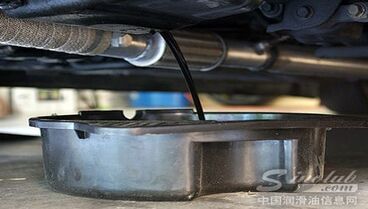
1) What are the pour point and the pour point?
The pour point and the pour point are both indicators of the physical properties of lubricating oil at low temperatures. They are often used as synonyms, but there is actually a difference between the pour point and the pour point. The pour point refers to the lowest temperature at which the lubricating oil can still flow when it is cooled. The pour point refers to the highest temperature at which the lubricating oil "solidifies" at low temperatures. The so-called "solidification" of the lubricating oil actually means that the oil stops flowing under the action of gravity. In other words, when the pour point is measured, the lubricating oil can still flow, but when the pour point is measured, the lubricating oil as a whole no longer flows. Therefore, the pour point is generally 3℃~5℃ lower than the pour point. The components of lubricating oil are base oil and some additives, and most of the base oil comes from petroleum distillates, which contain a certain amount of paraffin. The "solidification" of lubricating oil is because paraffin crystallizes at low temperatures. If the paraffin crystals condense together, a solid paraffin crystal network structure will be formed, which makes the oil lose its fluidity and looks like it has "solidified".
The pour point and the pour point are both indicators of the physical properties of lubricating oil at low temperatures. They are often used as synonyms, but there is actually a difference between the pour point and the pour point. The pour point refers to the lowest temperature at which the lubricating oil can still flow when it is cooled. The pour point refers to the highest temperature at which the lubricating oil "solidifies" at low temperatures. The so-called "solidification" of the lubricating oil actually means that the oil stops flowing under the action of gravity. In other words, when the pour point is measured, the lubricating oil can still flow, but when the pour point is measured, the lubricating oil as a whole no longer flows. Therefore, the pour point is generally 3℃~5℃ lower than the pour point. The components of lubricating oil are base oil and some additives, and most of the base oil comes from petroleum distillates, which contain a certain amount of paraffin. The "solidification" of lubricating oil is because paraffin crystallizes at low temperatures. If the paraffin crystals condense together, a solid paraffin crystal network structure will be formed, which makes the oil lose its fluidity and looks like it has "solidified".
2) Pour point, solidification point and cloud point of lubricating oil:
When lubricating oil "solidifies", the lubricating properties of the oil change. First, the lubricating oil will have difficulty in supplying oil, because after the oil "solidifies", the oil pump cannot deliver the oil to the parts that need lubrication. However, there are some signs of waxing in lubricating oil in the early stage, and it is not necessary to wait until the oil reaches the solidification point and solidifies like lard and stops flowing to be discovered. When the temperature drops to a certain level, the lubricating oil begins to precipitate paraffin crystals. The fine fragments of these paraffin crystals will reduce the transparency of the oil, making it look turbid or milky white. The lower the temperature, the more paraffin is precipitated, and the more turbid the lubricating oil. When the precipitated paraffin makes the oil sample turbid and the bottom of the test tube cannot be seen, this temperature is the cloud point of the lubricating oil. Both the cloud point and the pour point are measured by observation under certain experimental conditions, when the oil is gradually cooled. In OELCHECK's oil testing laboratory, we have special automatic instruments to conduct such tests.
When lubricating oil "solidifies", the lubricating properties of the oil change. First, the lubricating oil will have difficulty in supplying oil, because after the oil "solidifies", the oil pump cannot deliver the oil to the parts that need lubrication. However, there are some signs of waxing in lubricating oil in the early stage, and it is not necessary to wait until the oil reaches the solidification point and solidifies like lard and stops flowing to be discovered. When the temperature drops to a certain level, the lubricating oil begins to precipitate paraffin crystals. The fine fragments of these paraffin crystals will reduce the transparency of the oil, making it look turbid or milky white. The lower the temperature, the more paraffin is precipitated, and the more turbid the lubricating oil. When the precipitated paraffin makes the oil sample turbid and the bottom of the test tube cannot be seen, this temperature is the cloud point of the lubricating oil. Both the cloud point and the pour point are measured by observation under certain experimental conditions, when the oil is gradually cooled. In OELCHECK's oil testing laboratory, we have special automatic instruments to conduct such tests.
3) Low temperature performance and pour point of lubricating oil:
It should be noted that although the pour point or solidification point is an indicator of the low temperature performance of the oil, they cannot fully reflect the low temperature performance of the oil. Therefore, when it comes to lubrication at low temperatures, the equipment manufacturer does not give the pour point or solidification point. For example, regarding the lubrication problem at low temperatures, the automobile engine manufacturer does not give the oil with a low solidification point/pour point, but gives the engine's requirements for the oil viscosity at a specific low temperature (below 0°C).
Taking multi-grade oil as an example (such as SAE 10W-40), from the low temperature grade 10W, the viscosity of the engine oil at -25°C is higher than 7000mPa•s. For automotive oil, the American Society of Automotive Engineers SAE stipulates the low temperature performance grade of engine oil (0W~25W). For each W grade, SAE not only gives the viscosity at low temperature, but also for each W grade of engine oil, the lowest temperature at which it can be transported from the oil pan to the engine through the oil pump at low temperature. This performance is very important for cold starts in winter, because after the engine is started, the oil should be able to be delivered to each lubrication point immediately to avoid dry friction due to lack of oil during cold starts.
Some engine and gearbox manufacturers do not believe that the pour point of the lubricant is directly related to the actual low-temperature performance, and they even have their own low-temperature performance tests. There is usually no precise indicator definition for the low-temperature performance of industrial lubricants, and the pour point is often mistakenly regarded as the low-temperature limit value of the lubricant.
It should be noted that although the pour point or solidification point is an indicator of the low temperature performance of the oil, they cannot fully reflect the low temperature performance of the oil. Therefore, when it comes to lubrication at low temperatures, the equipment manufacturer does not give the pour point or solidification point. For example, regarding the lubrication problem at low temperatures, the automobile engine manufacturer does not give the oil with a low solidification point/pour point, but gives the engine's requirements for the oil viscosity at a specific low temperature (below 0°C).
Taking multi-grade oil as an example (such as SAE 10W-40), from the low temperature grade 10W, the viscosity of the engine oil at -25°C is higher than 7000mPa•s. For automotive oil, the American Society of Automotive Engineers SAE stipulates the low temperature performance grade of engine oil (0W~25W). For each W grade, SAE not only gives the viscosity at low temperature, but also for each W grade of engine oil, the lowest temperature at which it can be transported from the oil pan to the engine through the oil pump at low temperature. This performance is very important for cold starts in winter, because after the engine is started, the oil should be able to be delivered to each lubrication point immediately to avoid dry friction due to lack of oil during cold starts.
Some engine and gearbox manufacturers do not believe that the pour point of the lubricant is directly related to the actual low-temperature performance, and they even have their own low-temperature performance tests. There is usually no precise indicator definition for the low-temperature performance of industrial lubricants, and the pour point is often mistakenly regarded as the low-temperature limit value of the lubricant.
Hydraulic equipment manufacturers require that the low-temperature starting viscosity of the hydraulic oil should be less than 1,000 mm²/s during low-temperature starts, and the lower the better. For industrial gearboxes, the viscosity of the gear oil during low-temperature cold starts should be less than 100,000 mm²/s. If the low-temperature starting viscosity of the oil is too high, the lubricant needs to be preheated before starting.
The production process of grease: a fusion of precision and innovation
Chinese lubricant standards


