
Equipment rust prevention methods and lubricating oil rust prevention
author: Leila
2024-09-09
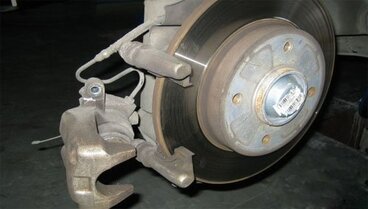
In the industrial field, steel rust is a very common problem. When exposed to water and oxygen (such as oxygen in the air), steel will oxidize and corrode to form rust. Moisture and contact with air - such conditions can be found everywhere, so steel rust is very common. Rust can cause equipment damage and accelerate depreciation. In addition, if the rust residue circulates inside the equipment, it will cause equipment wear or crushing, scratching, and cause equipment failure. Therefore, attention must be paid to rust prevention in the industrial field.
1. Causes and conditions for steel rust:
To do a good job of rust prevention, we must first know why steel rusts. Only by understanding the causes and conditions of rust can we cut off steel rust from the source. Iron rust (rust) is actually iron corrosion (corrosion), but similar oxidation processes of other metals are collectively referred to as "corrosion", while steel corrosion is specifically called "rust".
The necessary condition for iron rust is the simultaneous presence of oxygen and water, that is, when it is exposed to water and air/oxygen at the same time, iron will rust. At the microscopic level, it is actually an electrochemical corrosion process. Some conditions will accelerate the corrosion process, thus making iron rust faster, such as temperature increase, the presence of metal salts, and contact with acidic substances, which will accelerate electrochemical corrosion and accelerate the rusting of steel. The electrochemical equation for steel rusting is relatively complex, and it can be simply understood as:
Iron + oxygen + water -> hydrated iron oxide
Since contact with air and water is very common in reality, the above process is the main way for steel to rust. In addition, there are some other conditions that can also cause iron corrosion (rust), such as acid. Inorganic acids are highly acidic and attract our attention in the industrial field, such as hydrochloric acid and sulfuric acid. However, organic acids are easily overlooked by us, such as organic acids formed during the deterioration of lubricating oil. Organic acids are weaker in acidity, but they can also cause corrosion of many metals (including steel).
For example, acetic acid is slightly corrosive to metals such as iron, magnesium, and zinc, generating hydrogen and acetate. The chemical reaction equation is as follows:
Fe + 2 CH3COOH → (CH3COO)2 Fe + H2
In simple terms: Iron + acetic acid -> iron acetate + hydrogen
To do a good job of rust prevention, we must first know why steel rusts. Only by understanding the causes and conditions of rust can we cut off steel rust from the source. Iron rust (rust) is actually iron corrosion (corrosion), but similar oxidation processes of other metals are collectively referred to as "corrosion", while steel corrosion is specifically called "rust".
The necessary condition for iron rust is the simultaneous presence of oxygen and water, that is, when it is exposed to water and air/oxygen at the same time, iron will rust. At the microscopic level, it is actually an electrochemical corrosion process. Some conditions will accelerate the corrosion process, thus making iron rust faster, such as temperature increase, the presence of metal salts, and contact with acidic substances, which will accelerate electrochemical corrosion and accelerate the rusting of steel. The electrochemical equation for steel rusting is relatively complex, and it can be simply understood as:
Iron + oxygen + water -> hydrated iron oxide
Since contact with air and water is very common in reality, the above process is the main way for steel to rust. In addition, there are some other conditions that can also cause iron corrosion (rust), such as acid. Inorganic acids are highly acidic and attract our attention in the industrial field, such as hydrochloric acid and sulfuric acid. However, organic acids are easily overlooked by us, such as organic acids formed during the deterioration of lubricating oil. Organic acids are weaker in acidity, but they can also cause corrosion of many metals (including steel).
For example, acetic acid is slightly corrosive to metals such as iron, magnesium, and zinc, generating hydrogen and acetate. The chemical reaction equation is as follows:
Fe + 2 CH3COOH → (CH3COO)2 Fe + H2
In simple terms: Iron + acetic acid -> iron acetate + hydrogen
2. Rust prevention methods:
The main method of equipment rust prevention is to use rust inhibitors to isolate metal from moisture and air. There are many types of rust inhibitors, and their performance characteristics and uses are also different. In general, rust inhibitors can be divided into three categories: liquid/liquid phase rust inhibitors (Liquid-phase corrosion inhibitor, including rust-proof oil, rust-proof liquid), vapor phase rust inhibitors (Vapor-phase corrosion inhibitor: rust inhibitors used in gas and vapor state, vapor phase corrosion inhibitors), and rust-proof coatings (Surface coatings: solid rust-proof layers attached to the metal surface, or other rust-proof paints, rust-proof coatings). The difference between liquid rust inhibitors and rust-proof coatings is that liquid rust inhibitors (rust-proof grease, rust-proof liquid) can be washed off, such as rust-proof oil. Anti-rust coating is generally a hard layer of material that adheres to the metal surface and will not be washed off, such as anti-rust paint, anti-corrosion coating, etc.
The main method of equipment rust prevention is to use rust inhibitors to isolate metal from moisture and air. There are many types of rust inhibitors, and their performance characteristics and uses are also different. In general, rust inhibitors can be divided into three categories: liquid/liquid phase rust inhibitors (Liquid-phase corrosion inhibitor, including rust-proof oil, rust-proof liquid), vapor phase rust inhibitors (Vapor-phase corrosion inhibitor: rust inhibitors used in gas and vapor state, vapor phase corrosion inhibitors), and rust-proof coatings (Surface coatings: solid rust-proof layers attached to the metal surface, or other rust-proof paints, rust-proof coatings). The difference between liquid rust inhibitors and rust-proof coatings is that liquid rust inhibitors (rust-proof grease, rust-proof liquid) can be washed off, such as rust-proof oil. Anti-rust coating is generally a hard layer of material that adheres to the metal surface and will not be washed off, such as anti-rust paint, anti-corrosion coating, etc.
3. The role of rust inhibitors and corrosion inhibitors:
From the above conditions for steel rust, the best way to prevent rust is to avoid contact between steel and water and air. If steel is easily exposed to acidic substances, then it is also necessary to avoid contact with acid. This is the mechanism of action of rust inhibitors and corrosion inhibitors: to isolate metal from moisture, air, and acid.
Oil is a common rust inhibitor. Applying oil (such as rust-proof oil) or grease (butter, that is, grease) on the metal surface helps to isolate moisture and air and prevent metal from rusting. In addition to common rust prevention methods such as rust-proof oil and rust-proof coating, lubricating oil and grease are also common rust prevention methods.
In addition to lubrication, lubricating oil and grease also have rust prevention. Industrial equipment has many steel parts. If rust prevention is not done well, rust residue will fall off and circulate inside the machine, which will cause internal wear and failure of the equipment. Because rust residue is very hard, it will cause abrasive wear when sandwiched between running parts.
Since equipment rust has many hazards, when choosing lubricants, attention should be paid to the good rust resistance of lubricants. The ingredients of lubricants and greases contain oil (base oil) and some additives, including rust/corrosion prevention additives. The base oil itself has rust resistance, and the rust inhibitor further enhances the rust resistance of the lubricant. In lubricants and greases, the base oil and rust prevention additives work together to prevent rust.
Rust/corrosion inhibitors are usually some highly polar molecules that are easily adsorbed by metals (as shown in the figure). After they are adsorbed on the metal surface, they form a protective film that covers the metal, isolates air, moisture, and acid, and prevents metal from rusting and corroding. To ensure that the lubricant has good rust resistance, first of all, you must choose oil products of qualified quality. High-quality lubricants will consider good rust resistance. The second is to use the oil correctly-keep the oil clean and replace it with new oil in time. If the lubricating oil is contaminated (water, impurities, etc., or mixed with different lubricating oils and other oils), the performance will be affected, and the rust resistance may also be affected. In addition, if the lubricating oil deteriorates, the performance of the base oil and additives will deteriorate, including the rust resistance. Therefore, it is important to replace the lubricating oil in a timely manner.
From the above conditions for steel rust, the best way to prevent rust is to avoid contact between steel and water and air. If steel is easily exposed to acidic substances, then it is also necessary to avoid contact with acid. This is the mechanism of action of rust inhibitors and corrosion inhibitors: to isolate metal from moisture, air, and acid.
Oil is a common rust inhibitor. Applying oil (such as rust-proof oil) or grease (butter, that is, grease) on the metal surface helps to isolate moisture and air and prevent metal from rusting. In addition to common rust prevention methods such as rust-proof oil and rust-proof coating, lubricating oil and grease are also common rust prevention methods.
In addition to lubrication, lubricating oil and grease also have rust prevention. Industrial equipment has many steel parts. If rust prevention is not done well, rust residue will fall off and circulate inside the machine, which will cause internal wear and failure of the equipment. Because rust residue is very hard, it will cause abrasive wear when sandwiched between running parts.
Since equipment rust has many hazards, when choosing lubricants, attention should be paid to the good rust resistance of lubricants. The ingredients of lubricants and greases contain oil (base oil) and some additives, including rust/corrosion prevention additives. The base oil itself has rust resistance, and the rust inhibitor further enhances the rust resistance of the lubricant. In lubricants and greases, the base oil and rust prevention additives work together to prevent rust.
Rust/corrosion inhibitors are usually some highly polar molecules that are easily adsorbed by metals (as shown in the figure). After they are adsorbed on the metal surface, they form a protective film that covers the metal, isolates air, moisture, and acid, and prevents metal from rusting and corroding. To ensure that the lubricant has good rust resistance, first of all, you must choose oil products of qualified quality. High-quality lubricants will consider good rust resistance. The second is to use the oil correctly-keep the oil clean and replace it with new oil in time. If the lubricating oil is contaminated (water, impurities, etc., or mixed with different lubricating oils and other oils), the performance will be affected, and the rust resistance may also be affected. In addition, if the lubricating oil deteriorates, the performance of the base oil and additives will deteriorate, including the rust resistance. Therefore, it is important to replace the lubricating oil in a timely manner.
4. Rust resistance test of lubricating oil:
During use, the rust resistance of lubricating oil is difficult to quantify, and it is mainly judged by subjective feeling of use. However, the rust resistance of lubricating oil can be evaluated through laboratory testing. The test standard for the rust resistance of lubricating oil is ASTM D665. In the test, a piece of iron is used, the surface of the iron block is polished or sandblasted, and then the oil to be tested is applied, and it is placed in seawater for 24 hours to observe whether the iron block has signs of rust. This experiment is applicable to all lubricating oil rust resistance tests, not just turbine oil.
During use, the rust resistance of lubricating oil is difficult to quantify, and it is mainly judged by subjective feeling of use. However, the rust resistance of lubricating oil can be evaluated through laboratory testing. The test standard for the rust resistance of lubricating oil is ASTM D665. In the test, a piece of iron is used, the surface of the iron block is polished or sandblasted, and then the oil to be tested is applied, and it is placed in seawater for 24 hours to observe whether the iron block has signs of rust. This experiment is applicable to all lubricating oil rust resistance tests, not just turbine oil.
The Consumption of Lubricantion
Transportation and storage of lubricants


