
Differences between soap-based thickeners and non-soap-based thickeners
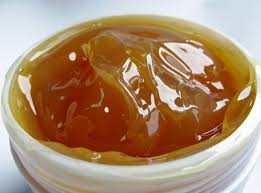
The main differences between soap-based thickeners and non-soap-based thickeners are as follows:
I. Different ingredients
1. Soap-based thickeners: mainly composed of fatty acid metal salts, common ones are calcium soap, sodium soap, lithium soap, etc.
2. Non-soap-based thickeners: including hydrocarbon-based thickeners, organic thickeners and inorganic thickeners. For example, polyurea, bentonite, silica gel, etc.
II. Different performance characteristics
1. Soap-based thickeners:
- It has a certain water resistance, among which calcium soap thickeners have better water resistance and sodium soap thickeners have poor water resistance.
- Different types of soap-based thickeners have different high temperature resistance. Generally, lithium soap thickeners have relatively good high temperature resistance.
2. Non-soap-based thickeners:
- Polyurea thickeners have excellent high temperature resistance, antioxidant properties and long life.
- Bentonite thickeners have good colloidal stability and high temperature performance.
- Inorganic thickeners usually have high temperature resistance and chemical stability.
III. Different scopes of application
1. Soap-based thickeners: suitable for lubrication of general industrial equipment and some automotive parts, and the price is relatively economical.
2. Non-soap-based thickeners: often used in special occasions with high performance requirements, such as equipment lubrication under high temperature, high speed, heavy load and other working conditions, as well as some high-end mechanical equipment and special industries.
Bubbles in lubricating oil: 10 interesting facts you don't know
How to accurately grasp the oil change period of the equipment?


