
What are the four types of lubricants?
author: Leila
2024-10-16
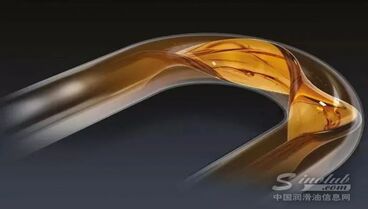
The components of lubricants are base oil and additives, of which base oil accounts for the majority. Base oil is oil, which can be vegetable oil, petroleum fraction, synthetic oil, or some kind of lubricating liquid.
Additives are some chemical preparations. Various additives are mixed in the base oil in a suitable proportion to improve the performance of the finished lubricant, or give the base oil some new properties.
Therefore, from the perspective of composition, lubricants are all chemical substances, so they should not be abused in selection. The appropriate formula should be selected according to the application occasion.
Current lubricants can be divided into four types based on composition:
1) Pure mineral oil, without additives:
Ancient lubricants were animal and vegetable oils. With the advent of the petroleum age, humans began to use petroleum fractions as lubricants. In the early stages of development, the composition of lubricants was mineral oil (petroleum fractions). For example, API-SA grade engine oil belongs to the pure oil type. Petroleum itself has lubricity and rust prevention. With the development of lubricant technology, additives appeared. At present, this kind of pure oil type lubricant is hard to find.
Ancient lubricants were animal and vegetable oils. With the advent of the petroleum age, humans began to use petroleum fractions as lubricants. In the early stages of development, the composition of lubricants was mineral oil (petroleum fractions). For example, API-SA grade engine oil belongs to the pure oil type. Petroleum itself has lubricity and rust prevention. With the development of lubricant technology, additives appeared. At present, this kind of pure oil type lubricant is hard to find.
2) Mineral oil + additives: This type of lubricant is the most widely used lubricant at present. It is generally called mineral oil because its base oil is mineral oil (API-I oil, II oil, III oil). Various industrial lubricants and automotive lubricants, including compressor oil, gear oil, bearing oil, engine oil, hydraulic oil, turbine oil, chain oil, etc., are mostly mineral oils with some additives. According to the type of additives used in mineral oil, mineral oil is divided into different formulas: for example, ordinary anti-oxidation and anti-rust type (R&O), extreme pressure type (EP), anti-wear type (AW), among which extreme pressure lubricants and anti-wear lubricants contain extreme pressure agents and anti-wear agents. This type of lubricant is relatively special, so if you encounter it in the selection, you should pay special attention. This type of oil should not be abused and can only be used when the equipment really needs it. The advantage of mineral oil is low price and good cost performance. If the temperature of the equipment is relatively stable during use, there is no high/low temperature operation, and the environment is dirty, it is difficult to avoid impurities entering the oil (frequent oil changes are required), then mineral oil is a good choice. The use temperature of mineral oil is generally not recommended to exceed 65°C.
3) Synthetic oil + additives:
This type of lubricant is generally called synthetic lubricant (synthetic oil), which uses synthetic oil as the base oil. Among all kinds of industrial lubricants and automotive lubricants, synthetic oil is not as common as mineral oil. However, with the increasing requirements of equipment and the increasing attention of users to the quality of lubricants, the use of synthetic oil has also gradually increased, especially in the field of automotive engine oil.
Synthetic oil is a general term, which means oil synthesized by artificial chemistry, or simply artificial oil. The term synthetic oil is defined relative to naturally formed oils, such as animal and plant oils and naturally formed petroleum, while synthetic oils are not naturally produced oils, they rely on artificial chemical synthesis. There are many types of synthetic oils, including synthetic hydrocarbon SHC (typically represented by PAO), ester oil (diester oil, polyester oil POE), PAG, phosphate ester, alkylbenzene, silicone oil, perfluoropolyether, etc.
Since synthetic oils are derived from artificially controlled chemical reactions, the composition and performance can be controlled to avoid certain impurities that are not good for performance. For example, PAO is the most common type of synthetic oil, and fully synthetic motor oil is usually made of PAO. PAO is synthesized through chemical reactions, has a neat molecular structure, and is of high purity. Therefore, compared with mineral oil, PAO outperforms mineral lubricants in many aspects, and has relatively good overall performance, including better high and low temperature resistance than mineral oil, high anti-wear and viscosity index, and long service life.
According to the type of additives used, synthetic oils can also be further divided into different formula types, and extreme pressure oils and ordinary oils should be distinguished.
Some synthetic oils have special properties. They are selected mainly because they have special properties in certain aspects, not necessarily because the overall performance exceeds that of mineral oils. For example, phosphate fire-resistant oils are mainly used for their flame retardant and difficult to burn characteristics. This type of synthetic oil is mainly used as a special oil.
The main disadvantages of synthetic oils are high prices, possible incompatibility with general lubricants, and some synthetic oils need special attention during use. For example, ester oils have strong hygroscopicity and poor hydrolysis stability. The limitations of mineral oils are mainly in high and low temperature performance.
This type of lubricant is generally called synthetic lubricant (synthetic oil), which uses synthetic oil as the base oil. Among all kinds of industrial lubricants and automotive lubricants, synthetic oil is not as common as mineral oil. However, with the increasing requirements of equipment and the increasing attention of users to the quality of lubricants, the use of synthetic oil has also gradually increased, especially in the field of automotive engine oil.
Synthetic oil is a general term, which means oil synthesized by artificial chemistry, or simply artificial oil. The term synthetic oil is defined relative to naturally formed oils, such as animal and plant oils and naturally formed petroleum, while synthetic oils are not naturally produced oils, they rely on artificial chemical synthesis. There are many types of synthetic oils, including synthetic hydrocarbon SHC (typically represented by PAO), ester oil (diester oil, polyester oil POE), PAG, phosphate ester, alkylbenzene, silicone oil, perfluoropolyether, etc.
Since synthetic oils are derived from artificially controlled chemical reactions, the composition and performance can be controlled to avoid certain impurities that are not good for performance. For example, PAO is the most common type of synthetic oil, and fully synthetic motor oil is usually made of PAO. PAO is synthesized through chemical reactions, has a neat molecular structure, and is of high purity. Therefore, compared with mineral oil, PAO outperforms mineral lubricants in many aspects, and has relatively good overall performance, including better high and low temperature resistance than mineral oil, high anti-wear and viscosity index, and long service life.
According to the type of additives used, synthetic oils can also be further divided into different formula types, and extreme pressure oils and ordinary oils should be distinguished.
Some synthetic oils have special properties. They are selected mainly because they have special properties in certain aspects, not necessarily because the overall performance exceeds that of mineral oils. For example, phosphate fire-resistant oils are mainly used for their flame retardant and difficult to burn characteristics. This type of synthetic oil is mainly used as a special oil.
The main disadvantages of synthetic oils are high prices, possible incompatibility with general lubricants, and some synthetic oils need special attention during use. For example, ester oils have strong hygroscopicity and poor hydrolysis stability. The limitations of mineral oils are mainly in high and low temperature performance.
4) Special oil:
Special oil is also composed of base oil and additives, but special oil is generally suitable for some special purposes. According to the special requirements of users, oil manufacturers specially select suitable base oil (mineral oil or synthetic oil) and specific additives for special purposes. Some oils have special requirements such as explosion-proof, chemical corrosion resistance, and flame retardancy. For example, compressor oil used for some special gas and flammable and explosive gas compressors.
Special oil is also composed of base oil and additives, but special oil is generally suitable for some special purposes. According to the special requirements of users, oil manufacturers specially select suitable base oil (mineral oil or synthetic oil) and specific additives for special purposes. Some oils have special requirements such as explosion-proof, chemical corrosion resistance, and flame retardancy. For example, compressor oil used for some special gas and flammable and explosive gas compressors.
Some synthetic oils can make specific changes in the performance of oil by adjusting the molecular structure, such as PAG and ester oil. Special lubricants are used in applications with special requirements.
It can be seen that when selecting lubricants, it is necessary to understand the composition of the oil. Different types of lubricants will have different performances. When choosing lubricants, it is necessary to start from the oil usage recommendations of the equipment manufacturer, and then combine the actual use of the equipment, including the temperature, load, speed, possible contact substances, whether the equipment is required to not change the oil for a long time, cost and other factors to determine the appropriate type of lubricant.
It can be seen that when selecting lubricants, it is necessary to understand the composition of the oil. Different types of lubricants will have different performances. When choosing lubricants, it is necessary to start from the oil usage recommendations of the equipment manufacturer, and then combine the actual use of the equipment, including the temperature, load, speed, possible contact substances, whether the equipment is required to not change the oil for a long time, cost and other factors to determine the appropriate type of lubricant.
Synthetic oil for maintenance saves money
Expert Forum: Extend the life of equipment by 5 to 10 times


