
Grease Types and Grease Selection
author: Ann
2024-12-18
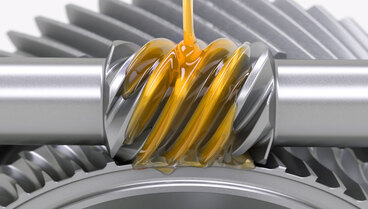
Different types of greases are typically formulated with three components: base oil, thickener, and additives.
Base oils lubricate, reducing friction between moving surfaces, the same role they play in lubricants.
Thickeners act like sponges, storing oil until lubrication is needed. Thickeners respond when subjected to external forces such as movement, vibration, or temperature, triggering the release of oil.
Additives are used to supplement the base oil's lubricating ability and enhance characteristics such as wear protection and rust prevention.
Many people ask me if synthetic oil-based greases are better than mineral oil-based greases.
Thickeners act like sponges, storing oil until lubrication is needed. Thickeners respond when subjected to external forces such as movement, vibration, or temperature, triggering the release of oil.
Additives are used to supplement the base oil's lubricating ability and enhance characteristics such as wear protection and rust prevention.
Many people ask me if synthetic oil-based greases are better than mineral oil-based greases.
The short answer is yes.
While traditional mineral-based greases can be formulated to provide superior performance in a variety of applications, synthetic greases often offer significant advantages, including helping to extend oil life. All else being equal, synthetic lubricant products provide superior lubrication over a wider range of application temperatures. This is true for both oils and greases.
In high-temperature applications, synthetic lubricants are less likely to thin than mineral oils, providing greater protection by forming a thicker film between surfaces. Additionally, these oils are less prone to deterioration at elevated temperatures, a phenomenon known as oxidation. Oxidation is a chemical reaction between oxygen in the air and the lubricant in use, and it accelerates at elevated temperatures. Generally, the rate of oxidation doubles for every 10°C above 120°C.
Synthetic oils also outperform mineral oils at low temperatures, maintaining proper viscosity and providing better flow. Proper viscosity is critical for thickeners to release oil into an application, as it is the oil in the grease that does the lubrication, not the thickener or additives.
We often hear about customer success stories after switching to synthetic greases.
From extending plant re-greasing intervals from one week to one quarter to extending the life of machine equipment bearings, synthetic greases can help improve industrial operations and help operators reduce costs.
المعرفة الأساسية من ثاني كبريتيد الموليبدينوم الشحوم في درجة حرارة عالية
When is the best time to change bearing oil?


