
Why does grease disappear during use?
author: Ann
2024-12-26
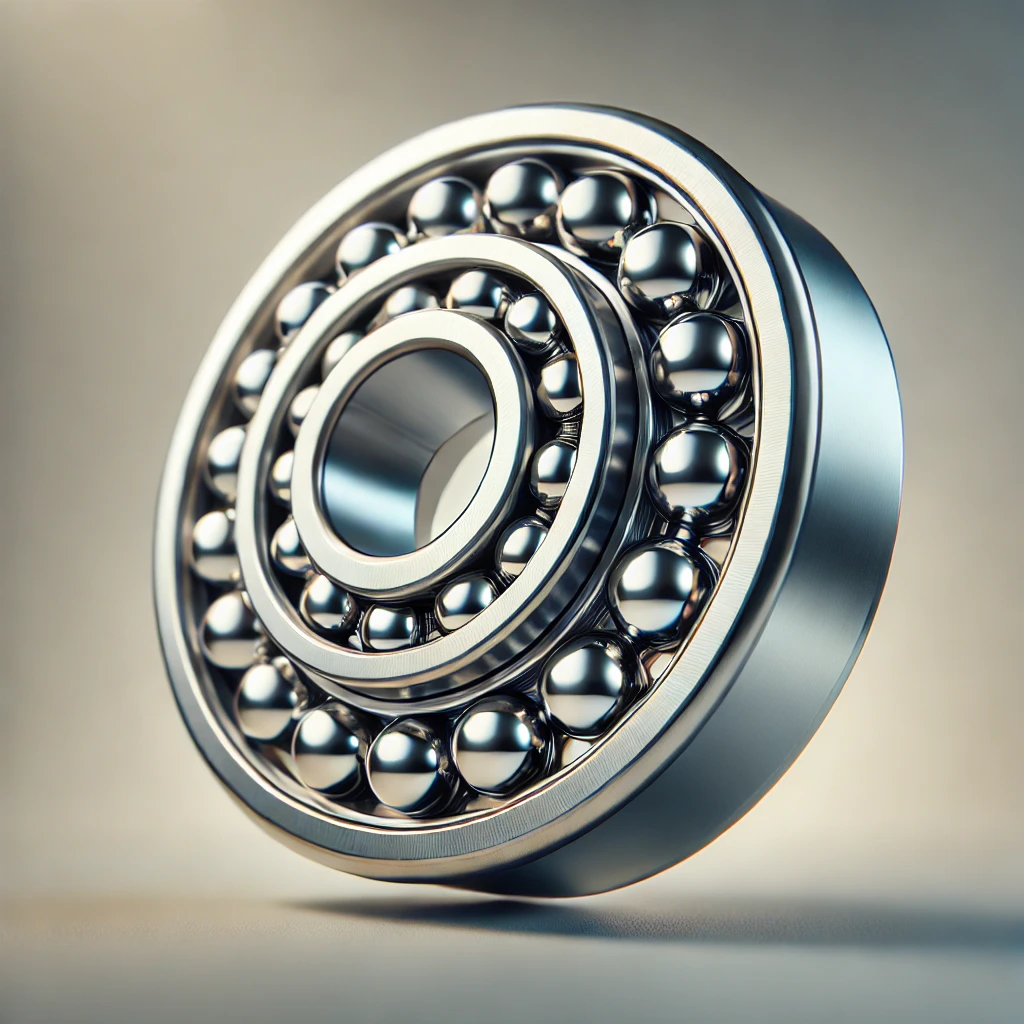
There are three main reasons:
Chemical reasons: Due to the influence of heat and air in the friction lubrication parts, the base oil and thickener are oxidized, resulting in the destruction of the soap structure of the grease, and softening and loss during use.
Physical reasons: Due to the operation of the friction parts, the grease is constantly affected by shear stress, which destroys the soap structure and softens and loses.
Impurity reasons: Wear occurs in the moving body. These metal powders can accelerate the oxidation of the grease to produce organic acids, thereby destroying the structure of the grease and causing the grease to fail. Correctly selecting grease according to the operating conditions of the equipment (including load, temperature, speed, etc.) can extend the service life of the grease.
Select grease according to the environment. The environment of the lubrication part and the medium it contacts have a great influence on the performance of the grease. Therefore, when selecting grease, it should be carefully considered. Sodium-based grease should not be selected for parts that are humid or easily contacted with water, and lithium-based grease may not even be selected. Because sodium-based grease has poor water resistance, it is easy to become thin and emulsified when it comes into contact with water. Lithium-based grease cannot meet the requirements in some parts. For example, the bearings of vertical water pumps are often immersed in water. Lithium-based grease will also emulsify, with a short lifespan and the bearings are easily damaged. In such parts, composite aluminum-based grease or urea-based grease with good water resistance should be used. Automobiles, tractors and tank chassis often work in humid environments that are easy to contact with water. my country currently uses calcium-based grease or lithium-based grease, while many foreign countries use lithium-calcium-based grease or urea-based grease with better water resistance.
For parts in contact with acid or acidic gas, lithium-based grease or composite calcium, composite aluminum, bentonite grease should not be used. When these greases encounter acid (weak acid) or acidic gas such as trace amounts of HCL in the air, the grease will become thin and drain, resulting in poor bearing protection, easy corrosion, and even more serious poor lubrication. Some printing and dyeing factories use active fuel to release HCL gas, which not only causes corrosion to the equipment, but also makes the grease in the bearings easily deteriorate. These parts should use compound barium-based grease or urea-based grease with good acid resistance. If they are in contact with strong acid or strong oxidizing medium, perfluorinated grease should be used.
For parts in contact with seawater or salt water, composite aluminum-based grease should be used; for parts in contact with natural rubber or paint, ester oil, especially diester type oil-based grease should be avoided; for parts in contact with fuel oil or petroleum-based lubricating oil, special oil-resistant grease such as No. 7903 should be used; for parts in contact with methanol, special grease such as methanol-resistant grease should also be used.
Chemical reasons: Due to the influence of heat and air in the friction lubrication parts, the base oil and thickener are oxidized, resulting in the destruction of the soap structure of the grease, and softening and loss during use.
Physical reasons: Due to the operation of the friction parts, the grease is constantly affected by shear stress, which destroys the soap structure and softens and loses.
Impurity reasons: Wear occurs in the moving body. These metal powders can accelerate the oxidation of the grease to produce organic acids, thereby destroying the structure of the grease and causing the grease to fail. Correctly selecting grease according to the operating conditions of the equipment (including load, temperature, speed, etc.) can extend the service life of the grease.
Select grease according to the environment. The environment of the lubrication part and the medium it contacts have a great influence on the performance of the grease. Therefore, when selecting grease, it should be carefully considered. Sodium-based grease should not be selected for parts that are humid or easily contacted with water, and lithium-based grease may not even be selected. Because sodium-based grease has poor water resistance, it is easy to become thin and emulsified when it comes into contact with water. Lithium-based grease cannot meet the requirements in some parts. For example, the bearings of vertical water pumps are often immersed in water. Lithium-based grease will also emulsify, with a short lifespan and the bearings are easily damaged. In such parts, composite aluminum-based grease or urea-based grease with good water resistance should be used. Automobiles, tractors and tank chassis often work in humid environments that are easy to contact with water. my country currently uses calcium-based grease or lithium-based grease, while many foreign countries use lithium-calcium-based grease or urea-based grease with better water resistance.
For parts in contact with acid or acidic gas, lithium-based grease or composite calcium, composite aluminum, bentonite grease should not be used. When these greases encounter acid (weak acid) or acidic gas such as trace amounts of HCL in the air, the grease will become thin and drain, resulting in poor bearing protection, easy corrosion, and even more serious poor lubrication. Some printing and dyeing factories use active fuel to release HCL gas, which not only causes corrosion to the equipment, but also makes the grease in the bearings easily deteriorate. These parts should use compound barium-based grease or urea-based grease with good acid resistance. If they are in contact with strong acid or strong oxidizing medium, perfluorinated grease should be used.
For parts in contact with seawater or salt water, composite aluminum-based grease should be used; for parts in contact with natural rubber or paint, ester oil, especially diester type oil-based grease should be avoided; for parts in contact with fuel oil or petroleum-based lubricating oil, special oil-resistant grease such as No. 7903 should be used; for parts in contact with methanol, special grease such as methanol-resistant grease should also be used.
مجمع الألومنيوم الصابون - خصائص وتطبيقات الشحوم
لماذا مقاومة درجات الحرارة العالية الشحوم تجمد في تحمل ؟


