
What are the additives for automobile oil and their reference standards?
author: Leila
2025-03-18
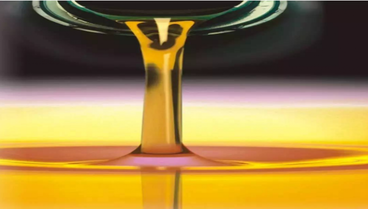
This article introduces the additives in common automobile maintenance products on the domestic market. At present, there are many common automobile maintenance additive products on the domestic market with different functions, such as fuel additives, engine oil additives, coolant additives, etc.
1. Fuel additives
Fuel additives are an organic compound. The function of fuel additives is to improve the fuel combustion efficiency, reduce and inhibit the formation of carbon deposits in the engine, and make the fuel burn more thoroughly in the combustion chamber. Therefore, it plays a certain role in saving fuel. Fuel additives are divided into four types according to their functions: cleaning type, maintenance type, power enhancement type and comprehensive type.
(1) Cleaning type fuel additives. Its main function is to remove the deposits in the fuel channel and has the function of cleaning the fuel channel. Due to its high cost of use, it can only be used in stages.
(2) Maintenance type fuel additives, also known as fuel detergents. Its main function is to clean the fuel and can better inhibit the formation of carbon deposits in the engine. Most of the fuel additives sold at gas stations are of this type of product. Due to its low cost of use, it can be used for a long time.
(3) Power-enhancing fuel additives. This type of additive contains metal components, such as manganese and other metal compounds, which can solve the problem of insufficient engine power caused by fuel quality problems. Therefore, this type of fuel additive is generally used in areas with poor fuel quality, and can also be used to make up for the power attenuation and insufficient calorific value of ethanol gasoline.
(4) Comprehensive fuel additives. This product combines the functions of the above three products, so its use cost is relatively high.
Fuel additive quality certification and testing
The "Automobile Gasoline" (GB 17930-2016) standard, which will be fully implemented from January 1, 2019, stipulates that the addition of fuel additives to fuel must meet all the provisions and requirements of the standard for the use of automotive gasoline, that is, the use of any fuel additive should be subject to mixed liquid testing in accordance with all test items specified in the standard, and the test results must meet the requirements of the standard value.
The mixed liquid test of fuel additives and fuel should be carried out in accordance with the requirements of the "Petroleum Products Copper Strip Corrosion Test Method" (GB/T 5096-2017). In addition, it is recommended that the test of the mixture of fuel additives and gasoline can also refer to the "Automobile Windshield Washer Fluid" (GB/T 23436-2009 Appendix D) to conduct metal corrosion tests on common metal materials in the engine, such as gray cast iron, cast aluminum alloy, and stainless steel.
Among fuel additives, the most common are clean fuel additives and maintenance fuel additives, which are mainly used to inhibit the formation of carbon deposits and sediments in the fuel system. Therefore, it is recommended that the test of this type of fuel additive and gasoline mixture be carried out in accordance with the test items in the "Automobile Gasoline Detergent" (GB 19592-2004) standard for product cleanliness tests. In addition, clean fuel additives can also be tested by actual vehicle testing, that is, the cleaning effect comparison test is carried out by disassembling and weighing each engine component before and after the use of the product, but this test method is relatively complicated and the test cycle is also long. Therefore, generally only additive manufacturers use this test method.
2. Engine oil additives
Engine oil additives can improve the physical properties of engine oil and improve the lubrication efficiency of engine oil. Commonly used engine oil additives include: engine oil anti-wear agent, power-enhancing additive, and repair additive.
(1) Engine oil anti-wear agent. This anti-wear agent is easily soluble in engine oil and has the functions of extending the service life of engine oil and improving the anti-wear ability of engine oil, increasing the lubrication, high-temperature shear resistance viscosity and antioxidant performance of engine oil.
(2) Power-enhancing engine oil additive. This product is divided into two types: soluble in engine oil and insoluble in engine oil. Products soluble in engine oil generally have the function of improving the lubrication ability of engine oil and reducing the friction of engine mechanical parts, thereby improving the power of the engine; products insoluble in engine oil generally adsorb on metal walls, such as forming an oil film between the engine cylinder wall and the piston ring, thereby improving the power by avoiding direct friction between metals.
(3) Repair additive. The use efficiency of this additive is basically the same as that of power-enhancing engine oil additive. It is mainly used to repair the wear of engine mechanical parts with a long service life. For example, if there are friction scratches on the surface of engine piston rings, cylinder walls or other metal mechanical parts, the use of repair additives can theoretically have a certain repair effect.
Quality certification and testing of engine oil additives
The standard for engine oil used in my country's engines is "Gasoline Engine Oil" (GB 11121-2006). There are international certification standards such as API and JASO. According to different brands and grades, the certification standards and relevant requirement values of engine oil also vary. GB 11121-2006 stipulates that any engine oil additive should be mixed with engine oil according to the actual usage ratio, and then the corresponding physical and chemical parameters should be tested according to the certification requirements of the grade of engine oil, and bench tests should be carried out. The test results must meet the requirements of the standard values.
The test of the mixed liquid of engine oil additives and engine oil should be carried out in accordance with the provisions of "Petroleum Products Copper Strip Corrosion Test Method" (GB/T 5096-2017). In addition, it is recommended that the test of the mixed liquid of engine oil additives and engine oil can also refer to "Automobile Windshield Washer Fluid" (GB/T 23436-2009 Appendix D) to conduct metal corrosion tests on common metal materials in the engine, such as gray cast iron, cast aluminum alloy, and stainless steel. In addition, the test of the mixture of oil additives and oil can also be based on the requirements of the "Determination of Lubricant Carrying Capacity Four-Ball Method" (GB/T 3142-2019) standard to consider the wear spot diameter, total base number of oil and high temperature and high shear viscosity of the mixture.
Wear spot diameter refers to the wear spot traces on the surface of the steel ball under the long wear condition of 392 N load and 60 min. The converted value can be used to evaluate the anti-wear performance of the lubricant (engine oil). The total base number of engine oil is a value for evaluating the pH of engine oil. Generally, the total base number reflects the cleaning ability of engine oil and the ability to neutralize acidic substances. A higher total base number can better avoid the acidification of engine oil and corrosion of engine parts. High temperature and high shear viscosity is an indicator of the viscosity stability of lubricating oil (engine oil) under high temperature and high shear conditions, reflecting the lubrication retention ability of lubricating oil (engine oil) under high temperature and high shear conditions. Therefore, testing these three items can test whether the oil additive product is effective.
3. Coolant additives
Coolant additives are also called cooling system protective agents. Due to the influence of the engine operating temperature, the coolant is in high and low temperature alternating conditions for a long time, which will not only cause slight rust of the radiator, but also generate scale deposited in the radiator. The function of this additive is to delay and inhibit the formation of scale through the active substances in the product, while improving the anti-rust ability of the coolant.
Coolant additive quality certification and testing
Coolant additives are added to the radiator. According to the standard requirements of "Motor Vehicle Engine Coolant" (GB 29743-2013), the metal safety test is simulated using cast aluminum alloy heat transfer corrosion and aluminum pump cavitation corrosion experiments. The test results must meet the requirements of the standard value.
When testing coolant additives, the compatibility test of two common rubber materials in the cooling system, nitrile rubber and ethylene propylene rubber, should be carried out in accordance with the requirements of Appendix B of "Electronic Injection Automobile Injection Nozzle Cleaning Fluid" (GB/T 23435-2009). At the same time, the compatibility test of plastic materials should be carried out in accordance with Appendix F of "Automobile Window Glass Cleaning Fluid" (GB/T 23436-2009). During the test, the material temperature should be controlled at about 100 ℃ according to the actual operating temperature of the engine. The main function of coolant additives is to delay and inhibit the formation of scale. Therefore, the anti-scaling performance test can determine whether the product has real efficacy. In order to ensure the reliability of product certification tests, it is recommended that relevant product tests should be arranged in third-party laboratories. The third-party laboratories should have the corresponding OEM certification or the test project has the certification test qualification of the China National Accreditation Service for Conformity Assessment (CNAS).
تصنيف واختيار الشحوم
36 fossil fuel giants account for more than half of global emissions, and energy transformation has been collectively "put on the brakes"


