
Oil demand share falls below 30% for the first time
author: Ann
2025-03-28
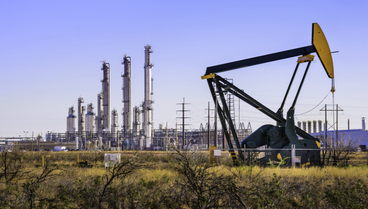
The latest "Global Energy Review" report released by the International Energy Agency (IEA) shows that the world's energy landscape is undergoing profound changes in 2024. The share of oil in global energy consumption fell below 30% for the first time, marking a further loosening of the dominance of fossil fuels, while the surge in electricity demand and the expansion of clean energy have become the dual engines driving energy transformation.
In 2024, the proportion of oil in total global energy consumption fell to 29.8%, a sharp drop from the peak of 46% 50 years ago. This historic turning point is mainly due to the shrinking oil demand in the road traffic sector, and the accelerated popularization of electric vehicles has become a key driver. Data shows that global oil demand will only grow by 0.8% in 2024, a significant slowdown from 1.9% in 2023. Due to energy efficiency improvements and new energy substitution, the growth rate of demand in China and developed economies is under obvious pressure: China's energy demand will grow by less than 3% year-on-year, half the growth rate in 2023; after several years of demand shrinkage in developed economies, the total energy demand in 2024 will recover by nearly 1%.
In sharp contrast to oil consumption, global electricity demand has shown significant growth. In 2024, global electricity consumption surged by 1,100 terawatt hours (TWh), an increase of 4.3%, twice the average level of the previous decade. Extremely hot weather has pushed up demand for household cooling, and the electrification of industry, the electrification transformation of the transportation sector, and the rising energy consumption of AI data centers have jointly contributed to this growth. Clean energy expansion is particularly eye-catching: 700 gigawatts of new renewable energy capacity was installed throughout the year, breaking the record for 22 consecutive years; the scale of new nuclear power installations ranked fifth in 30 years. The two contributed 80% of the global power generation increase and 40% of the total power generation, a record high. Although natural gas power generation has maintained steady growth, low-carbon energy has established a dominant position.
The risk of supply and demand imbalance is emerging. The IEA warned that slowing oil demand growth and production expansion may lead to a supply surplus of 600,000 barrels per day in 2025. Strong production in the Americas, loosening of the OPEC+ production cut agreement, and slower-than-expected economic recovery have become the main reasons for the mismatch between supply and demand. But in the long run, the trend of green and low-carbon transformation is irreversible. As a leader in transformation, China accounts for one-third of the world's non-fossil energy investment, and the electrification rate of terminal energy consumption has increased from 28% in 2023 to 29%, and is expected to exceed 30% in 2025. The scale of new energy storage and carbon capture technologies has doubled, the "green electricity-green hydrogen" industry chain has accelerated, and the integration and innovation of traditional energy and new energy are in the ascendant.
Global energy consumption shows the characteristics of "total volume stabilization and four accelerations": the trend of clean, electrified, technological scale, and multi-energy complementarity is significant. Natural gas demand increased by 2.7% (about 115 billion cubic meters), the highest increase in ten years. Emerging economies and developing countries contribute more than 80% of the global energy demand increase, but their energy structure transformation speed still lags behind developed countries.
Energy data in 2024 reveals a quiet revolution: oil hegemony continues to loosen, electricity demand and clean energy grow in resonance, and technological innovation and policy guidance drive transformation. Although short-term market fluctuations still exist, the trend of the global energy system evolving towards low-carbon, high-efficiency and diversified directions is irreversible. As the largest energy consumer and a pioneer in transformation, China's green and low-carbon practices will have a profound impact on the global energy landscape. As the IEA said, the "marathon" of energy transformation has entered a critical stage, and the vast sea of clean energy is becoming a reality.
In 2024, the proportion of oil in total global energy consumption fell to 29.8%, a sharp drop from the peak of 46% 50 years ago. This historic turning point is mainly due to the shrinking oil demand in the road traffic sector, and the accelerated popularization of electric vehicles has become a key driver. Data shows that global oil demand will only grow by 0.8% in 2024, a significant slowdown from 1.9% in 2023. Due to energy efficiency improvements and new energy substitution, the growth rate of demand in China and developed economies is under obvious pressure: China's energy demand will grow by less than 3% year-on-year, half the growth rate in 2023; after several years of demand shrinkage in developed economies, the total energy demand in 2024 will recover by nearly 1%.
In sharp contrast to oil consumption, global electricity demand has shown significant growth. In 2024, global electricity consumption surged by 1,100 terawatt hours (TWh), an increase of 4.3%, twice the average level of the previous decade. Extremely hot weather has pushed up demand for household cooling, and the electrification of industry, the electrification transformation of the transportation sector, and the rising energy consumption of AI data centers have jointly contributed to this growth. Clean energy expansion is particularly eye-catching: 700 gigawatts of new renewable energy capacity was installed throughout the year, breaking the record for 22 consecutive years; the scale of new nuclear power installations ranked fifth in 30 years. The two contributed 80% of the global power generation increase and 40% of the total power generation, a record high. Although natural gas power generation has maintained steady growth, low-carbon energy has established a dominant position.
The risk of supply and demand imbalance is emerging. The IEA warned that slowing oil demand growth and production expansion may lead to a supply surplus of 600,000 barrels per day in 2025. Strong production in the Americas, loosening of the OPEC+ production cut agreement, and slower-than-expected economic recovery have become the main reasons for the mismatch between supply and demand. But in the long run, the trend of green and low-carbon transformation is irreversible. As a leader in transformation, China accounts for one-third of the world's non-fossil energy investment, and the electrification rate of terminal energy consumption has increased from 28% in 2023 to 29%, and is expected to exceed 30% in 2025. The scale of new energy storage and carbon capture technologies has doubled, the "green electricity-green hydrogen" industry chain has accelerated, and the integration and innovation of traditional energy and new energy are in the ascendant.
Global energy consumption shows the characteristics of "total volume stabilization and four accelerations": the trend of clean, electrified, technological scale, and multi-energy complementarity is significant. Natural gas demand increased by 2.7% (about 115 billion cubic meters), the highest increase in ten years. Emerging economies and developing countries contribute more than 80% of the global energy demand increase, but their energy structure transformation speed still lags behind developed countries.
Energy data in 2024 reveals a quiet revolution: oil hegemony continues to loosen, electricity demand and clean energy grow in resonance, and technological innovation and policy guidance drive transformation. Although short-term market fluctuations still exist, the trend of the global energy system evolving towards low-carbon, high-efficiency and diversified directions is irreversible. As the largest energy consumer and a pioneer in transformation, China's green and low-carbon practices will have a profound impact on the global energy landscape. As the IEA said, the "marathon" of energy transformation has entered a critical stage, and the vast sea of clean energy is becoming a reality.
Trump may impose "reciprocal tariffs" on the world, and the chemical market faces a triple shock
ما هي الدهون الخاصة تحتاج إلى الاهتمام


