
Russian Far East crude prices fall as Chinese refiners cut imports
author: Ann
2025-04-03
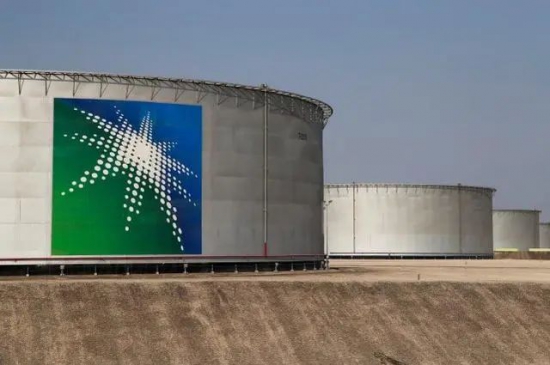
The price of ESPO, the flagship crude oil of Russia's Far East, has fallen significantly in recent days, hitting a new low since June 2024. Industry data shows that ESPO crude oil delivered in April is discounted by $1.50 per barrel compared to the ICE Brent benchmark oil price in China, which is the first price inversion of this crude oil variety in ten months.
The price plunge is directly due to the adjustment of the purchasing strategy of China's state-owned oil companies. Since March, state-owned enterprises such as Sinopec and PetroChina have significantly reduced or even suspended Russian crude oil imports to avoid the risk of Western sanctions. According to Vortexa analysis, state-owned enterprises began to reduce their purchases in February, and some companies completely stopped purchasing in March. This hedging operation caused a sharp drop in Russian crude oil demand, which directly suppressed the price performance of ESPO.
The market gap was quickly filled by independent refiners. "Teapot refineries" in Shandong, Jiangsu and other places have significantly increased their ESPO purchases, and a large amount of crude oil shipped in February has flowed to these non-state-owned enterprises. It is worth noting that when ESPO supply uncertainty intensified in January this year, these companies chose to cut production rather than seek alternative oil sources. The current strategic shift highlights the subtle changes in market dynamics.
"Even if transported by non-sanctioned tankers, state-owned enterprises' purchases of ESPO are still very limited." Vortexa senior analyst Emma Li pointed out that "sanction pressure has prompted Chinese oil giants to take a more cautious attitude towards Russian oil transactions." Industry observers believe that this shift in procurement structure may continue until early May, and subsequent price trends will depend on further developments in sanctions policies and the process of rebalancing market supply and demand.
The price plunge is directly due to the adjustment of the purchasing strategy of China's state-owned oil companies. Since March, state-owned enterprises such as Sinopec and PetroChina have significantly reduced or even suspended Russian crude oil imports to avoid the risk of Western sanctions. According to Vortexa analysis, state-owned enterprises began to reduce their purchases in February, and some companies completely stopped purchasing in March. This hedging operation caused a sharp drop in Russian crude oil demand, which directly suppressed the price performance of ESPO.
The market gap was quickly filled by independent refiners. "Teapot refineries" in Shandong, Jiangsu and other places have significantly increased their ESPO purchases, and a large amount of crude oil shipped in February has flowed to these non-state-owned enterprises. It is worth noting that when ESPO supply uncertainty intensified in January this year, these companies chose to cut production rather than seek alternative oil sources. The current strategic shift highlights the subtle changes in market dynamics.
"Even if transported by non-sanctioned tankers, state-owned enterprises' purchases of ESPO are still very limited." Vortexa senior analyst Emma Li pointed out that "sanction pressure has prompted Chinese oil giants to take a more cautious attitude towards Russian oil transactions." Industry observers believe that this shift in procurement structure may continue until early May, and subsequent price trends will depend on further developments in sanctions policies and the process of rebalancing market supply and demand.
China strongly counters Trump's tariff "bullying" and announces a 34% tariff increase
عدة أسباب فشل الشحوم


