
Will Asia usher in an “oil price dividend”?
author: Ann
2025-05-09
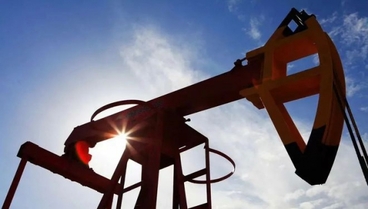

Will the continued decline in oil prices bring unexpected benefits to Asian economies? According to the trading desk, Morgan Stanley said in a report on May 6 that international oil prices have fallen by $12 per barrel since the beginning of 2025. If it continues, the crude oil burden in Asia will drop from the current 3.1% to 2.3%. However, analysts warned that trade tensions will still be a major drag on economic growth. The dual factors of weaker oil prices and stronger Asian currencies may lead Asian central banks to increase interest rate cuts. For investors, Thailand, South Korea, India and Japan will gain more relative benefits from falling oil prices.
The burden of crude oil is already at a historical low. Oil prices have fallen by $12 per barrel since the beginning of 2025. According to the analysis of Morgan Stanley commodity strategist Martijn Rats, this oil price drop is half due to demand and half due to supply factors. Forecasts on the demand side are constantly being revised down, while supply is affected by OPEC's planned production increase. Asia is the world's most oil-import dependent region, with an oil and gas trade deficit of 2.4% of GDP in the 12 months to March 2025, compared with 1.8% in the eurozone and a slight surplus in the United States. Although oil products account for 25% of Asia's energy demand, they account for 80% of the energy trade deficit. Asia's current crude oil burden (oil consumption as a percentage of GDP) has been below the long-term pre-pandemic average of 3.6% since 2023. If oil prices remain at the average $61/barrel forecast for Brent futures prices over the next 12 months, Asia's oil burden will fall further from 3.1% to 2.3% in 2024. Similarly, Asia's oil and gas trade deficit will narrow from the current 2.4% of GDP to 1.8%.
Inflation, current account may improve Morgan Stanley believes that a sustained $10/barrel drop in oil prices will lead to a 0.4 percentage point drop in Asia's overall inflation rate weighted by purchasing power parity. Almost 90% of Asia’s economies (excluding Australia, South Korea and Japan) are now experiencing inflation rates in their respective central banks’ comfort zones for five months. Asia’s headline inflation rate in March was close to its lowest level since March 2021. Meanwhile, a $10/bbl drop in oil prices would improve Asia’s overall current account balance by 0.4 percentage points of GDP. Within the region, India, Indonesia and the Philippines stand to benefit more from lower oil prices due to their chronic current account deficits.
More rate cuts on the way Weaker oil prices, a weaker dollar and the drag on growth from tariffs together mean more rate cuts from Asian central banks. This is especially true given recent reports that a trade deal could include currency targets, which have contributed to the recent strength of Asian currencies. In this scenario, Asian central banks are likely to avoid foreign exchange intervention until trade deal negotiations are completed, and rate cuts could become a policy tool to manage the pace of currency appreciation. If these dynamics persist, Asian central banks could cut rates more than Morgan Stanley and the market currently expect.
In the region, Thailand, South Korea, India and Japan benefit relatively more from the fall in oil prices, while Malaysia and Australia, as net exporters, will not benefit. According to Morgan Stanley's policy rate forecast, the Philippine central bank and the Indonesian central bank will implement the largest rate cuts, followed by the Bank of Korea, the Bank of Thailand and the Reserve Bank of Australia.
The burden of crude oil is already at a historical low. Oil prices have fallen by $12 per barrel since the beginning of 2025. According to the analysis of Morgan Stanley commodity strategist Martijn Rats, this oil price drop is half due to demand and half due to supply factors. Forecasts on the demand side are constantly being revised down, while supply is affected by OPEC's planned production increase. Asia is the world's most oil-import dependent region, with an oil and gas trade deficit of 2.4% of GDP in the 12 months to March 2025, compared with 1.8% in the eurozone and a slight surplus in the United States. Although oil products account for 25% of Asia's energy demand, they account for 80% of the energy trade deficit. Asia's current crude oil burden (oil consumption as a percentage of GDP) has been below the long-term pre-pandemic average of 3.6% since 2023. If oil prices remain at the average $61/barrel forecast for Brent futures prices over the next 12 months, Asia's oil burden will fall further from 3.1% to 2.3% in 2024. Similarly, Asia's oil and gas trade deficit will narrow from the current 2.4% of GDP to 1.8%.
Inflation, current account may improve Morgan Stanley believes that a sustained $10/barrel drop in oil prices will lead to a 0.4 percentage point drop in Asia's overall inflation rate weighted by purchasing power parity. Almost 90% of Asia’s economies (excluding Australia, South Korea and Japan) are now experiencing inflation rates in their respective central banks’ comfort zones for five months. Asia’s headline inflation rate in March was close to its lowest level since March 2021. Meanwhile, a $10/bbl drop in oil prices would improve Asia’s overall current account balance by 0.4 percentage points of GDP. Within the region, India, Indonesia and the Philippines stand to benefit more from lower oil prices due to their chronic current account deficits.
More rate cuts on the way Weaker oil prices, a weaker dollar and the drag on growth from tariffs together mean more rate cuts from Asian central banks. This is especially true given recent reports that a trade deal could include currency targets, which have contributed to the recent strength of Asian currencies. In this scenario, Asian central banks are likely to avoid foreign exchange intervention until trade deal negotiations are completed, and rate cuts could become a policy tool to manage the pace of currency appreciation. If these dynamics persist, Asian central banks could cut rates more than Morgan Stanley and the market currently expect.
In the region, Thailand, South Korea, India and Japan benefit relatively more from the fall in oil prices, while Malaysia and Australia, as net exporters, will not benefit. According to Morgan Stanley's policy rate forecast, the Philippine central bank and the Indonesian central bank will implement the largest rate cuts, followed by the Bank of Korea, the Bank of Thailand and the Reserve Bank of Australia.
Lubrication requirements for sliding bearing systems
ما هي الخصائص التي ينبغي أن يكون ارتفاع درجة الحرارة الشحوم عالية الجودة ؟


